In today’s fast-paced world, maintaining a clean and healthy living environment has become more crucial than ever. Effective cleaning techniques not only contribute to the aesthetic appeal of our spaces but also play a significant role in our health and well-being. With the rise of pollutants, allergens, and viruses, understanding and implementing proper cleaning methods can greatly impact our quality of life. This article embarks on a comprehensive journey to explore various cleaning techniques, emphasizing the importance of cleanliness and providing readers with practical advice to achieve a spotless and sanitary environment. Whether you’re a cleaning enthusiast or someone looking to refine their cleaning routine, this guide aims to equip you with the knowledge and skills necessary to maintain a pristine living space.
Understanding the Basics: Cleaning vs. Sanitizing vs. Disinfecting
Before diving into the specifics of effective cleaning techniques, it’s crucial to distinguish between three fundamental concepts often used interchangeably: cleaning, sanitizing, and disinfecting. Understanding these terms is the first step toward a truly clean environment.
Cleaning refers to the removal of visible dirt, debris, and impurities from surfaces. This process does not kill germs but reduces their numbers by physically removing them. Cleaning, which often involves soap (or detergent) and water, is usually the preliminary step in the cleaning routine, preparing surfaces for sanitizing or disinfecting.
Sanitizing aims to reduce the number of bacteria on surfaces to a safe level, as judged by public health standards or requirements. Sanitization doesn’t necessarily eliminate all bacteria or viruses but reduces the risk of infection. It’s a process commonly used in kitchen surfaces and utensils to ensure they are safe for food preparation.
Disinfecting goes a step further by using chemicals to kill germs on surfaces. This process does not necessarily clean dirty surfaces or remove bacteria but killing germs can further lower the risk of spreading infection. Disinfecting is especially important in areas where contact with harmful bacteria and viruses is more likely, such as bathrooms and high-touch surfaces like doorknobs and light switches.
Each of these processes plays a vital role in maintaining a clean and healthy environment. By properly implementing these techniques, individuals can significantly reduce the spread of infections and contribute to a healthier living space.
Choosing the Right Cleaning Supplies
Selecting appropriate cleaning supplies is fundamental to achieving effective cleaning results. The market is flooded with a myriad of options, ranging from general-purpose cleaners to those designed for specific surfaces or stains. Understanding the nature of the surface and the type of dirt or stain you’re dealing with is crucial in choosing the most effective cleaning product. Here are some guidelines to help you make informed decisions:
General Purpose Cleaners: Suitable for a variety of surfaces, these cleaners are great for daily cleaning tasks. They can handle light to moderate dirt and grime efficiently.
Specialized Cleaners: Certain surfaces or materials, like glass, wood, or stainless steel, require specialized cleaners to prevent damage and ensure cleanliness. For instance, using a glass cleaner on windows and mirrors avoids streaks, while a wood cleaner provides both cleaning and conditioning benefits.
Eco-Friendly Products: With growing environmental concerns, many are turning to green cleaning products. These are made from natural, non-toxic ingredients, making them safer for people, pets, and the planet. They can be just as effective as traditional cleaners for most tasks.
DIY Cleaners: Homemade cleaning solutions, often made with ingredients like vinegar, baking soda, and lemon, can be effective for various cleaning tasks. They’re cost-effective and reduce exposure to chemicals, though their effectiveness can vary based on the application.
Disinfectants: For germ-heavy areas like bathrooms and kitchens, a good disinfectant is key. Look for products approved by health authorities for their germ-killing capabilities.
When selecting cleaning supplies, also consider the tools you’ll use, such as microfiber cloths, sponges, brushes, and mops. The right tools can enhance the effectiveness of cleaning products and make the task easier. Always read labels for proper usage and safety precautions to maximize effectiveness and minimize risks.
The Role of Green Cleaning Products in Modern Housekeeping
The shift towards sustainability has significantly influenced the cleaning industry, leading to a heightened demand for green cleaning products. These products, characterized by their minimal environmental impact and reduced health risks, are becoming integral to modern housekeeping practices. Unlike conventional cleaners that may contain harsh chemicals harmful to both human health and the environment, green cleaning products are designed with safety and eco-friendliness in mind.
Health Benefits: Green cleaning products are formulated to be non-toxic and free from aggressive chemicals like chlorine and ammonia, which are known to cause respiratory and skin irritations. By choosing green products, households can reduce their exposure to harmful substances, making homes safer, especially for children and pets.
Environmental Impact: Traditional cleaning products can contribute to water pollution and the depletion of non-renewable resources. In contrast, eco-friendly products typically use sustainably sourced ingredients and biodegradable formulas, mitigating their environmental footprint. They often come in recyclable packaging, further reducing waste.
Efficacy: There’s a common misconception that green cleaning products are less effective than their chemical-laden counterparts. However, advancements in eco-friendly technology have led to the development of green cleaners that are just as effective, if not more so, in tackling dirt, grease, and microbes.
Economic Considerations: While green cleaning products were once more expensive, increased demand and production have made them more competitively priced. Investing in these products not only supports environmental sustainability but can also lead to savings, as they are often concentrated and require less product per use.
Certifications and Labels: To navigate the green cleaning market, consumers should look for products with credible certifications like the EcoLogo, Green Seal, or the U.S. Environmental Protection Agency’s (EPA) Safer Choice label. These certifications ensure that products meet strict environmental and health criteria.
Adopting green cleaning products is a straightforward way for individuals to contribute to environmental conservation while ensuring their homes remain clean and safe. As awareness grows and technology advances, the role of these eco-friendly solutions in modern housekeeping will undoubtedly continue to expand.
Step-by-Step Guide to a Clean and Healthy Home
Achieving a clean and healthy home is a process that involves more than just occasional dusting and vacuuming. It requires a systematic approach to tackle various areas and aspects of your living space. Here’s a comprehensive guide to help you maintain a spotless and sanitary environment:
Daily Cleaning Tasks: Incorporate simple tasks into your daily routine to prevent dirt and clutter from accumulating. This includes washing dishes, wiping down kitchen counters, sweeping high-traffic areas, and managing clutter.
Weekly Cleaning Routine: Set aside time each week for more thorough cleaning tasks. Vacuum carpets and rugs, mop floors, clean bathrooms (including toilets, showers, and sinks), dust surfaces, and launder bedding and towels.
Monthly Deep Cleaning: Certain areas require less frequent but more detailed attention. Clean behind and beneath furniture, wash windows, deep clean appliances, and clear out vents and filters to improve air quality.
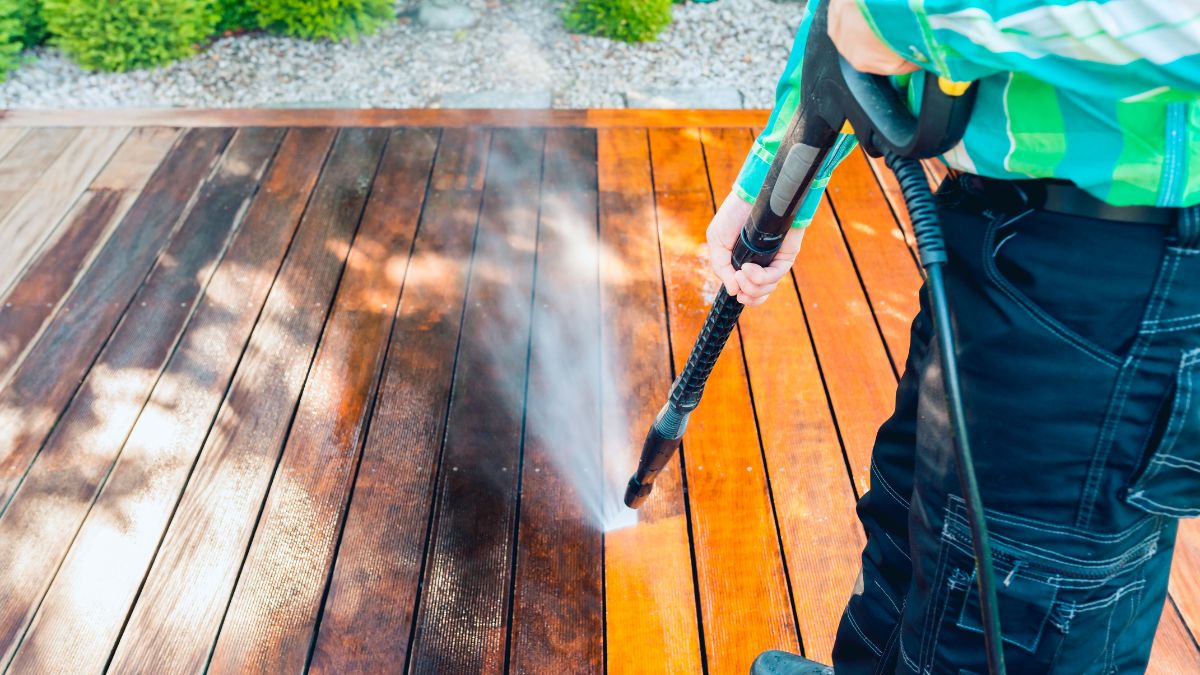
Seasonal Cleaning: Some tasks can be done on a seasonal basis to prepare your home for the coming months. This includes clearing gutters, deep cleaning upholstery and carpets, organizing closets, and checking for any needed repairs. Also, you can power wash your home exteriour.
Focus on High-Touch Surfaces: Regularly disinfect doorknobs, light switches, remote controls, and other surfaces that are frequently touched to minimize the spread of germs.
Manage Indoor Air Quality: Use air purifiers, maintain humidity levels, and ensure proper ventilation to reduce airborne pollutants and allergens.
Safe Storage of Cleaning Supplies: Keep your cleaning products in a secure, dry place, away from children and pets. Proper storage prevents accidents and ensures the longevity of your supplies.
Mindful Waste Disposal: Be conscientious about recycling and disposing of household waste. Proper segregation and disposal practices contribute to a cleaner home and environment.
This step-by-step guide not only aims to keep your home visually appealing but also focuses on creating a healthy living space that promotes well-being. Regularly following these steps can transform cleaning from a daunting task into a rewarding routine that enhances the quality of your domestic life.
Professional Tips for Stubborn Stains and Problem Areas
Stubborn stains and problem areas in the home can be frustrating and often resist regular cleaning methods. However, with professional tips and techniques, you can tackle these challenges effectively, restoring cleanliness and order to your space. Here are expert strategies for dealing with some of the most stubborn stains and problem areas:
Carpet Stains: For tough carpet stains, the key is prompt action. Blot (do not rub) the stain with a clean, dry cloth to absorb as much of the spill as possible. Then, apply a suitable carpet cleaner based on the type of stain (organic, oil-based, etc.) and follow the product instructions. For natural solutions, a mixture of white vinegar and water can be effective for many types of stains. Always test any cleaner on an inconspicuous area first.
Hard Water Stains: Hard water stains on faucets and showerheads can be tackled with a vinegar soak. Wrap a bag filled with white vinegar around the fixture and secure it with a rubber band. Leave it for a few hours or overnight, then remove and scrub with a non-scratch sponge. For glass shower doors, a mixture of baking soda and vinegar can work wonders.
Grease Stains: Grease stains in the kitchen, particularly on stovetops or countertops, can be cleaned with a solution of dish soap and warm water, as dish soap is designed to break down oils. For stubborn grease, applying a paste of baking soda and water, letting it sit, and then scrubbing can be effective.
Mold and Mildew: In areas prone to moisture, such as bathrooms, mold and mildew can be a persistent problem. A solution of bleach and water (always use gloves and ensure good ventilation) can kill mold on non-porous surfaces. For natural alternatives, vinegar or hydrogen peroxide can be effective, though they may require multiple applications.
Burnt Pans: To clean burnt pans, fill the pan with water and add a cup of white vinegar. Bring to a boil, then remove from heat and add two tablespoons of baking soda (expect fizzing). Let the mixture cool, then scrub the pan. For extremely stubborn burns, soaking the pan overnight with baking soda and water can loosen the residue.
Ink Stains: On fabric, apply isopropyl alcohol to the stained area and blot gently. For carpets or upholstery, a mixture of milk and cornstarch can be applied as a paste, left to dry, and then vacuumed.
Pet Stains and Odors: Enzyme-based cleaners are particularly effective for pet stains and odors as they break down the organic matter. Blot up as much of the stain as possible, apply the enzyme cleaner, and follow the product instructions.
By utilizing these professional tips, you can address even the most stubborn stains and problem areas in your home, ensuring a cleaner, more pleasant living environment.