A festival’s magic is found in the music, the food, the art, and the all round atmosphere of awesomeness that surrounds it. When you step into a well-staged event, you’re not just attending; you’re immersed in an experience carefully crafted to captivate. From the layout of the grounds to the lighting that transforms as the sun sets, every detail shapes how you feel and engage.
Festival event staging is where creativity meets precision. It’s about designing spaces that not only look stunning but also function seamlessly for performers, vendors, and the crowd. Whether it’s a local arts fair or a multi-day music festival, the staging can make or break the event’s success. For organisers, or those looking for festival stage hire, understanding the principles of effective staging will be essential.


The Magic of Festival Event Staging
Festival event staging shapes the entire experience. It defines how you interact with the environment, how performers connect with audiences, and how the energy of the event flows. The physical layout transforms spaces, making them functional and visually appealing. Every element, from seating arrangements to pathways, determines how smoothly attendees figure out the event while maintaining their enthusiasm.
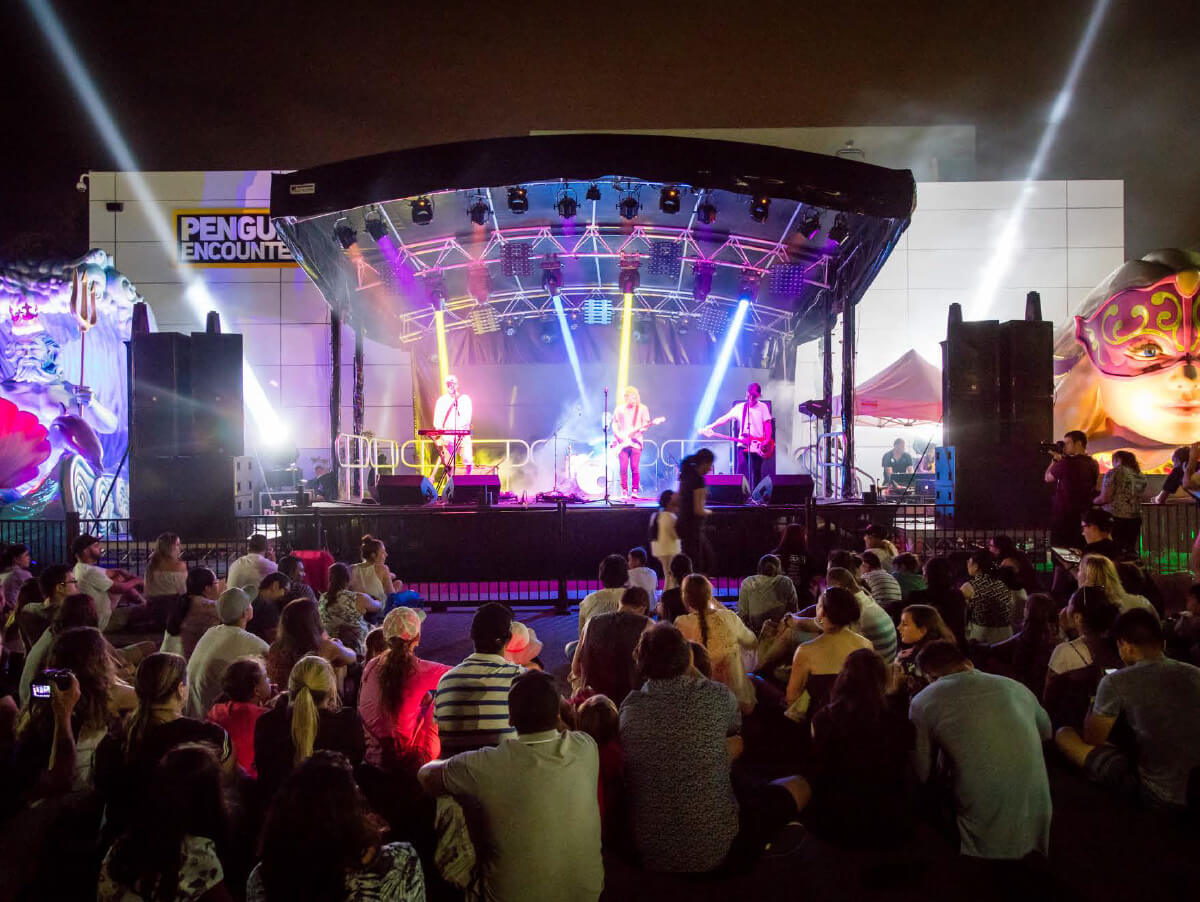
Lighting tells stories and draws attention. The right combination can bring stage performances to life and enhance outdoor activities after dark. You might find that vibrant, dynamic lighting energises crowds, while softer tones create intimate moments in specific areas. Colours and synchronised effects can amplify the festival’s theme, connecting the dots between different attractions.
Sound design ensures clarity and immersion. When it’s difficult to hear performers, engagement drops. Proper speaker placements and advanced sound equipment can project every note and word with precision. Tailoring these setups for your venue prevents sound distortions and maximises the quality of performances.
Stage structures provide focal points. Festivalgoers gravitate naturally towards well-designed stages, and these structures should match the theme while withstanding the event’s demands. Temporary yet robust platforms give artists the space they need and offer attendees unobstructed views, regardless of crowd size.
Decor and branding immerse audiences. Creative visuals integrated into banners, backdrops, and signage elevate the atmosphere. These elements should reflect the event’s identity, giving attendees a sense of belonging and excitement.
Incorporating interactive zones adds value. Spaces for workshops, meet-and-greets, or photo opportunities encourage participation. These areas often leave lasting impressions, making attendees feel involved rather than passive.
Safety measures protect the event. You’ll ensure that barriers, exits, and emergency plans align with capacity limits. When safety is evident, attendees relax and enjoy themselves, boosting overall satisfaction.
Festival event staging combines practicality and artistry. When coordinated effectively, you’ll notice its impact in every photograph, cheer, and memory that your event delivers.
Key Elements Of Effective Festival Event Staging
The success of festival staging depends on combining aesthetics, practicality, and immersive experiences. You will find that focusing on specific elements ensures your event captivates attendees and enhances interaction.
Venue And Location
The venue defines the foundation of your staging approach. An urban setting might benefit from compact layouts, while a countryside location can allow for expansive activities. Your site should complement the festival theme, ensuring it resonates with the target audience. Accessibility is vital, as poor access can deter attendance. Consider weather variations when choosing outdoor spaces. In the case that you rely on natural backdrops or architectural elements, integrate them seamlessly into your staging plan. Keep infrastructure, power access, and crowd flow in mind to streamline operations.
Lighting And Sound Design
Lighting can shape the mood, while sound design directly impacts engagement. Dynamic lighting transitions highlight key moments and carry emotional weight. In darker settings, lighting ensures safety while directing viewers’ focus to main attractions. Sound clarity ensures performances reach audiences without distortion. You might mix elevated speakers and low-range systems to create a balanced auditory experience. Synchronising lighting and sound during staged acts will amplify their emotional pull. Testing equipment for volume levels and sightlines prevents disruptions during live events.
Stage Layout And Decoration
Stages act as focal points for performances and complementary visual elements. Layered stage designs allow performers to maximise space, and tiered platforms ensure clear visibility for crowds. Decorations should reflect the festival’s identity, blending logos, banners, or abstract art with the structural design. Incorporate functional decor, such as shade structures or interactive art pieces, to expand engagement zones. Leave clear pathways around the stage for attendees to figure out easily. Large decorations can anchor visual interest. Use sustainable or reusable materials to align with eco-conscious practices.
Logistics And Planning In Festival Event Staging
Successful festival event staging relies on comprehensive logistics and detailed planning. Each element must align to ensure a seamless experience for attendees, performers, and vendors.
Scheduling And Timeline Management
Scheduling dictates how effectively your festival unfolds. A clear timeline should account for setup, rehearsals, and downtime. Anticipating potential challenges like weather changes or equipment delays can prevent disruptions. Sequencing activities thoughtfully ensures smooth transitions between performances and reduces crowd movement issues. Maintain flexibility in case of setbacks, but ensure all stakeholders comprehend critical deadlines. By doing this, you enhance operational efficiency and keep the event progressing as intended.
Coordinating With Vendors And Performers
Coordination ensures resources and talent are utilised effectively. Clear communication channels with vendors allow consistent supply deliveries and avoid logistical bottlenecks. Providing performers with detailed itineraries and on-site briefings promotes punctuality and preparedness. Venue maps and access points help both groups figure out efficiently. You will find professional agreements and contingency plans valuable for mitigating last-minute changes or cancellations. Robust coordination strengthens relationships and maintains the festival’s momentum.
Potential Issues In Festival Event Staging
Organising festivals involves figuring various complexities. Each decision impacts attendees’ experiences and demands precise planning.
Budget Constraints
Financial limitations often influence your staging decisions. Sourcing high-quality materials for stages, lighting, and decor can strain your budget quickly. Prioritising essential elements while maintaining an attractive setup becomes a careful balancing act. Venue costs, permits, and equipment hire might leave less room for creative additions. Crowdfunding or sponsorships could be essential for alleviating these constraints. Careful allocation and flexible negotiations with vendors can ensure efficient resource use without sacrificing key festival components.
Managing Crowds And Safety
Ensuring safety and smooth crowd flow poses significant challenges. When attendance numbers soar, overcrowding risks increase. Creating designated entry, exit, and emergency routes minimises bottlenecks. Employing security personnel and crowd marshals creates safer environments. Adequate lighting, clear signage, and regular safety checks ensure both attendee comfort and incident prevention. Risk assessments, combined with capacity planning, help monitor potential hazards. In high-energy events or confined spaces, crowd control measures adapt spaces for movement while maintaining accessibility to facilities.
Innovations And Trends In Festival Event Staging
Sustainability shapes how you approach festival stages today. Materials like recycled wood and reusable metals can transform staging into eco-conscious creations. You might notice solar-powered lighting systems gaining popularity as energy-efficient solutions. Biodegradable decorations and locally sourced elements help reduce your festival’s carbon footprint. You should also explore modular stage designs, which support reuse across multiple events while maintaining high-quality appearances. In the case that waste management comes into play, composting and recycling stations paired with educational displays enrich the environmental impact of your event.
Technology has also redefined the way you can stage festivals. Advanced projection mapping brings stages to life with dynamic visuals closely tied to your theme. LED displays, offering high customisation, create mesmerising effects that engage attendees directly. Augmented reality (AR) might let festival-goers interact with digital features layered over physical stages, enhancing your immersive experience. If you consider sound, advancements in spatial audio ensure a rich, surrounding auditory performance. Automation plays its part through intelligent lighting systems that adapt to the music, synchronising seamlessly with beats while reducing manual input. Technology gives you tools to craft unforgettable atmospheres.
Final Thoughts
Festival event staging is a powerful tool that transforms an ordinary gathering into an extraordinary experience. By balancing creativity with practicality, you can craft an environment that resonates with attendees and leaves a lasting impression. From thoughtful layouts to cutting-edge technology, every detail contributes to the overall atmosphere and success of your event. Whether you’re working with a modest budget or aiming for a large-scale production, prioritising immersive design and seamless logistics ensures your festival stands out. Embrace sustainable practices and innovative solutions to create not only memorable but also responsible events that inspire and engage your audience.