Barcodes are one of those things we rarely notice but are vital for supply chain processes. They’re on your toothpaste, the medicines you buy, and even certificates/documents/invoices. In a way, they act like digital IDs of products, quietly carrying information that makes the supply chain processes faster, efficient, and simpler.
Over time, barcode types have gone from simple black-and-white parallel lines to compact grids packed with data. Now, with global trade, e-commerce, and rising customer expectations, the barcodes are evolving to fit the requirements of different industries. In this blog, we will explore the different barcode types, their usage, and learn who provides them in detail.


Understanding Barcode Types
In simple terms, a barcode is nothing more than a way to store data in a machine-readable form. It is an advanced data carrier that carries data related to a product’s unique identification and presents it upon scanning. GS1 is the issuing body of these unique identities. At present, GS1 has 116 member organisations across more than 150 countries. Two types of barcodes are provided by all –
1D Barcodes (Linear): The familiar vertical lines on almost every retail pack. Think UPC or EAN — simple, fast, and widely used.
2D Barcodes: Square or rectangular codes, such as QR codes and GS1 DataMatrix. These can carry far more information — from expiry dates to batch numbers.barcode types
Limitations of Traditional Barcode Types
1D barcodes are also referred to as traditional barcode types. With rising consumer expectations, there are certain limitations to 1D barcodes, which is why industries are embracing 2D barcodes alongside the traditional ones. Some of these are mentioned below –
- They don’t hold much information.
- They often occupy a significant amount of space on marketing labels.
- Dynamic data cannot be encoded
As businesses push for faster operations and customers demand transparency (like “where did my product come from?, What are the ingredients used in my products?, and more”), Traditional barcodes alone won’t suffice.
Emerging Trends in Barcode Types
Future-forward businesses are investing in the implementation of GS1 QR Codes to offer their consumers real-time information accessible on their smartphones. The adoption of QR Codes is being seen not just in retail but in other sectors as well, where health and safety are prioritised. Various government and industrial mandates also mention including QR codes on products. In India, some of these directives include – QR codes on Top 300 Pharma Brands, Insecticides (First Amendment) Rules, 2025, QR Codes on AYUSH medicines, and more.
These advanced 2D barcode types are now becoming omnipresent. They are being used to access detailed information, increase brand engagement, and foster advanced authentication practices.
Innovations Shaping the Future of Barcode Types
We are seeing an increased global adoption of advanced barcode types, or 2D barcodes. Advancements in this technology will improve its application by defining how critical data needs to be exchanged or managed. Some of the innovations that will be shaping the future of 2D barcode types are listed below –
- Real-time Information – By encoding a GS1 Digital Link standard, 2D barcodes can be used to enable the sharing of real-time product information. Through Digital Link, businesses can provide URLs of their product websites. Doing so can transform static 2D barcodes into dynamic user engagement tools.
- Blockchain Integration – Adoption of 2D barcode types is enabling smarter and more visible tracking of products throughout the supply chain. Technologies like Blockchain are being used alongside serialised barcodes to enable near real-time tracking for a sustainable, ethical, and safer future.
How Industries Will Use Next-gen Barcode Types
- Retail & E-commerce: Smarter checkouts, faster inventory checks, and personalised offers.
- Healthcare: Safer medicines, accurate patient records, and traceable medical supplies.
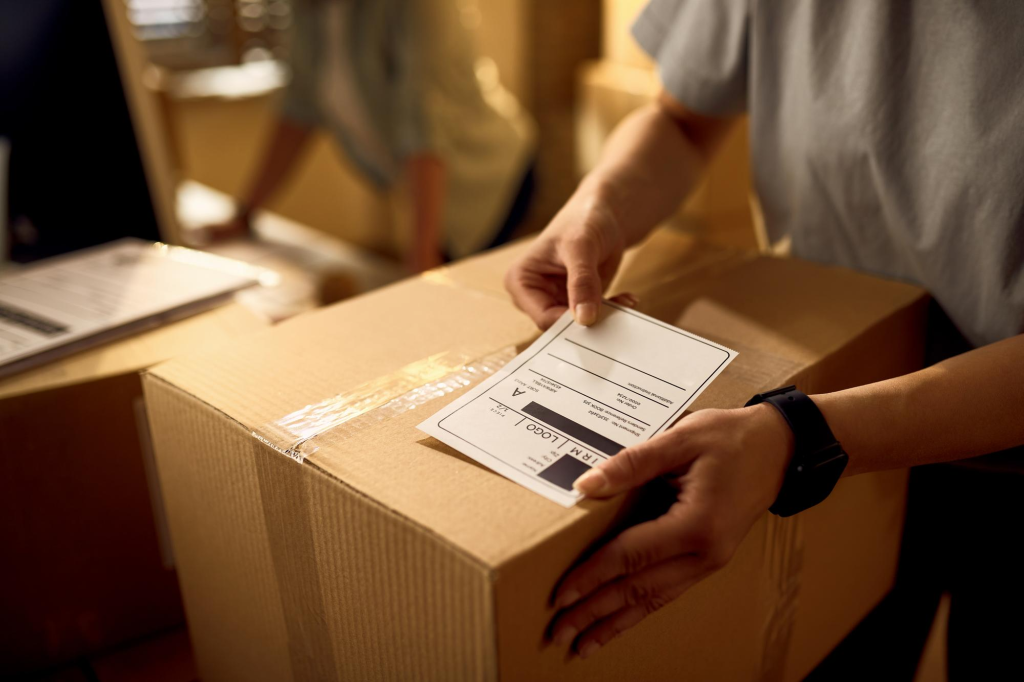
- Logistics: Real-time shipment updates and anti-counterfeiting.
- Food Industry: Complete farm-to-fork visibility, allergen info, and sustainability labels.
Benefits of Evolving Barcode Types
Businesses that embrace modern barcode types stand to gain:
- Detailed data, fewer errors
- Increased consumer trust through transparency
- Faster, often contactless, transactions
- Stronger protection against counterfeit goods
Conclusion
Barcodes are no longer just about scanning items at checkout. They’re transforming into intelligent product identities — gateways to information that benefits businesses and consumers alike. Global standards, particularly from GS1, will ensure industries worldwide can adopt these future-ready barcode types smoothly.
For companies, the takeaway is simple: the sooner you adopt next-gen barcode types, the better placed you’ll be in an economy that thrives on speed, accuracy, and trust.