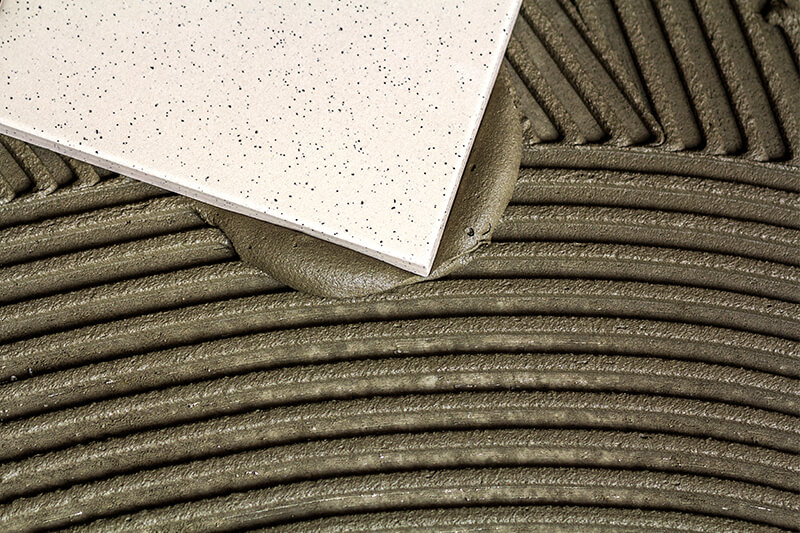
Tiles are a preferred choice for flooring and wall finishes in both residential and commercial construction projects due to their durability, aesthetic appeal, and easy maintenance. However, the strength and longevity of any tile installation largely depend on the quality of the adhesive used. With construction standards becoming more demanding, the addition of advanced materials to tile adhesives has become necessary. One of the most important additives is Hydroxypropyl Methylcellulose (HPMC), a cellulose derivative that significantly improves adhesive performance.
What is HPMC for Tile Adhesive?
HPMC for tile adhesive is a specialized polymer additive that modifies cement-based adhesives to enhance their bonding, workability, and durability. By improving water retention and rheological properties, HPMC ensures that adhesives perform consistently even under challenging conditions. It is widely used in cement mortars and dry-mix formulations to make tile installations more reliable and long-lasting.


Why HPMC Matters in Tile Adhesives
Enhances Water Retention
Proper hydration is critical in cement-based adhesives, as it directly impacts final bonding strength. HPMC helps retain water in the mixture, ensuring the cement cures effectively and reducing the risk of weak bonds.
Improves Workability
The addition of HPMC gives tile adhesives a smooth and uniform consistency. This makes the mortar easier to spread, reducing physical strain on workers and enabling precise tile placement.
Extends Open Time
HPMC slows down the drying process of adhesives, allowing installers more time to adjust tiles during application. This flexibility helps achieve cleaner finishes and reduces installation errors.
Provides Stronger Adhesion
By improving the bonding interface, HPMC ensures tiles adhere firmly to the substrate, lowering the risk of detachment even under heavy use.
Prevents Tile Slippage
For vertical applications such as wall tiling, sagging is a common issue. HPMC’s anti-slip properties prevent tiles from sliding down before the adhesive sets, maintaining alignment.
Core Properties of HPMC in Adhesive Performance
- Rheology Control: Regulates the flow and consistency of adhesives.
- Water Retention Capacity: Enhances hydration for maximum bonding strength.
- Stability: Ensures even performance across different environmental conditions.
- Flexibility: Allows adhesives to accommodate expansion, contraction, and stress.
- Durability: Supports long-lasting adhesion with resistance to external factors.
Applications in Different Tile Installations
Ceramic and Porcelain Tiles
These commonly used tiles require adhesives with good bonding strength and flexibility. HPMC-modified mortars ensure a secure hold, even in areas with high foot traffic.
Large-Format Tiles
Heavier and larger tiles need adhesives that resist sagging. HPMC provides the required strength and prevents misalignment during installation.
Natural Stone Materials
For marble, granite, or other natural stones, adhesives must withstand weight and environmental stress. HPMC enhances adhesive properties to handle these challenges effectively.
Outdoor Tiling
Adhesives exposed to weather changes must endure moisture, temperature shifts, and UV exposure. HPMC ensures the adhesive maintains performance in outdoor environments.
Comparing Adhesives With and Without HPMC
- Bonding Strength: With HPMC, adhesives form stronger, longer-lasting bonds.
- Application Ease: HPMC-modified adhesives spread smoothly and evenly.
- Open Time: Installers have more time to adjust tiles before setting.
- Durability: Adhesives without HPMC may deteriorate faster under stress.
This comparison demonstrates how vital HPMC is for achieving professional results in tile installation.
Environmental and Sustainability Benefits
Beyond performance, HPMC contributes to sustainability in construction:
- Material Efficiency: Reduced waste due to improved application and adhesion.
- Longer Life Cycle: Stronger bonds mean fewer repairs and replacements.
- Compatibility with Green Materials: HPMC can be used in adhesives that support eco-friendly building practices.
By enhancing durability and reducing waste, HPMC plays a role in creating more sustainable construction methods.
Factors Affecting HPMC Performance in Adhesives
- Viscosity Grade: Different viscosity levels offer varied benefits such as enhanced water retention or improved workability.
- Dosage: Proper dosage is essential; too little reduces effectiveness, while too much may affect consistency.
- Mix Design: The adhesive formulation and interaction with other additives impact overall performance.
- Environmental Conditions: Temperature and humidity levels influence curing and bonding properties.
Future of HPMC in Tile Adhesive Formulations
The construction industry continues to evolve toward more specialized and eco-friendly solutions. Future trends in tile adhesives will likely include:
- Eco-Modified HPMC Grades: Designed for green building certifications.
- High-Performance Mortars: Tailored for extreme conditions such as high humidity or rapid temperature changes.
- Smart Additive Integration: Use of digital tools to optimize formulations for specific projects.
HPMC will remain central to these advancements due to its proven ability to balance performance, efficiency, and sustainability.
Conclusion
HPMC has become a vital component in modern tile adhesive formulations. By improving water retention, workability, adhesion, and sag resistance, it ensures that tiles remain securely bonded across a wide range of applications. From small residential projects to large-scale infrastructure, the role of HPMC in adhesives ensures durability, efficiency, and professional-quality finishes. As construction standards continue to rise, HPMC will remain indispensable in delivering reliable and sustainable building solutions.