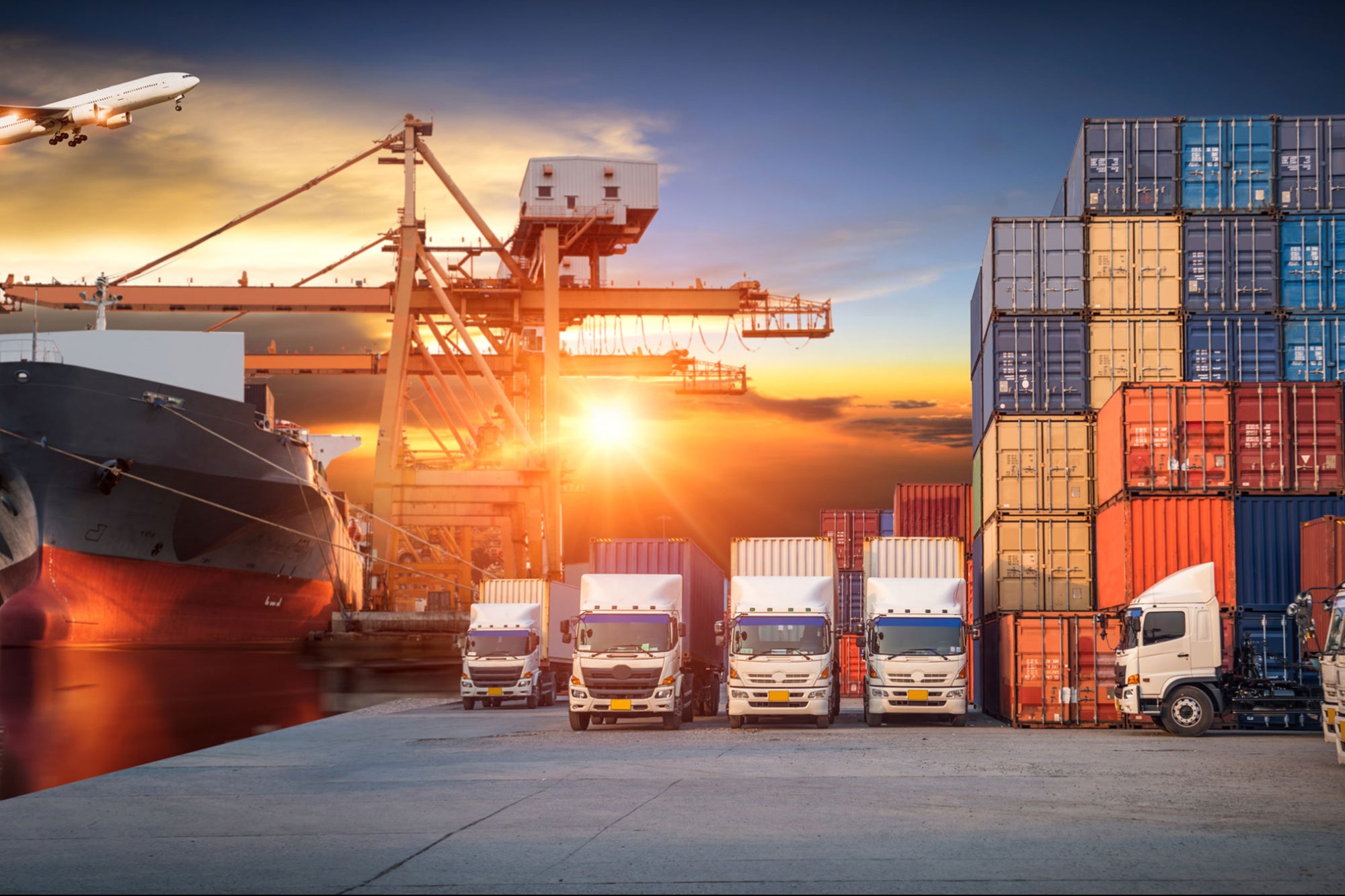
International trade is the backbone of international development for centuries. Businesses rely on the flow of merchandise across borders to get their products to new markets. International shipping of cargo enables this by taking all sorts of merchandise to their final points safely over distances. It links manufacturers, suppliers, and customers, making global business a possibility.
- The Meaning of International Cargo Shipping: Basically, global cargo shipping is the transportation of goods across borders using set channels. It is a multi-step process involving booking, handling, customs clearance, and distribution. Whether by air, sea, road, or rail, the process ensures smooth movement of products from raw materials to final consumers. It is a process that involves thorough planning and documentation in adherence to the exporting and importing countries’ trade laws.
- How Logistics Cargo Services Manage Shipments: Modern trade would not be complete without logistics cargo services, which connect businesses and transport systems. They organize, schedule, and secure safe transportation of commodities. They also provide warehousing and distribution solutions to ensure that goods not only move but are also stored and delivered accordingly. International shipping would be all the more complex and time-consuming without such organized services.
- Cargo Ships and Ocean Transport: The majority of international commodities are shipped by sea because cargo vessels move huge quantities in one journey. Electronics, machinery, apparel, and foodstuffs are loaded into containers placed on vessels traveling across seas. Ocean shipping is affordable compared to other methods, especially for bulk commodities. Although longer than air shipping, ocean shipping is the backbone of global cargo shipping for its affordability.
- Air Freight and Urgent Deliveries: All goods cannot travel weeks to reach their destination. The solution to this issue is speed, provided by air freight. Precious but light loads, like medicines, electronics, or spare parts required for the functioning of appliances, are transported via aircraft. Although costly compared to sea transport, air freight promises on-time delivery of time-sensitive products to consumers. Businesses typically employ sea and air transport in combination, subject to their requirements.
- Packaging and Cargo Safety: Product safety during transport primarily depends on packaging. Products must be packaged so that they can endure bad seas, temperature changes, or loading and unloading. Fragile products like glass, chemicals, or electronics demand special care, whereas food products will need controlled atmospheres. Requiring packaging reduces losses and enables products to arrive at their destinations in the same condition they left in.
- Technology within the Shipping Sector: Automated systems have transformed the character of global business. Today, businesses track packages in real time, and it is easier to find out where goods are at any specific time. Internet-based warehouses, smart ports, and electronic filing of customs speed up delivery.
- The Future of Shipping Around the World: As trade increases, shipping modes are becoming more intelligent and greener. Green vessels, green fuels, and faster digital connections are now the driving power behind the industry. Global collaboration and advanced logistic networks will make future shipping faster, safer, and more reliable. This development ensures international trade continues booming in the decades ahead.
In conclusion, international cargo shipping is the backbone of international trade, linking nations and enterprises of all industries. Through the use of logistics cargo services, businesses can handle customs, transport, and delivery with less hassle. Sea to air, every phase of the process keeps economies running. Trustworthy partners such as AVR Logistics are crucial to guaranteeing that cargo is delivered smoothly and on schedule.