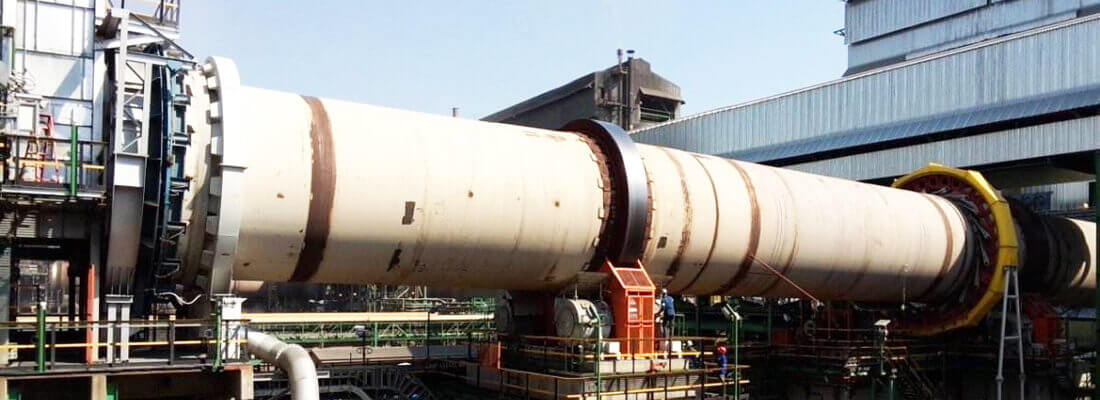
In a modern scientific laboratory, the safe and efficient disposal of hazardous waste is essential to maintaining a clean, compliant, and environmentally responsible workspace. One of the most effective solutions available today is the kiln incinerator. These high temperature systems are specifically designed to handle a variety of waste streams generated in laboratories, including biological, chemical, and general solid waste. By using a kiln incinerator, laboratories can achieve safer operations, enhanced sustainability, and compliance with stringent waste disposal regulations.
Efficient Waste Disposal
A major benefit of a kiln incinerator in a scientific laboratory is its ability to dispose of waste quickly and effectively. Unlike traditional methods, these incinerators maintain consistent high temperatures, ensuring that hazardous materials are thoroughly combusted. This minimizes the risk of cross contamination and significantly reduces the volume of waste that requires final disposal, saving space and costs.


Versatility for Different Waste Streams
Scientific laboratories generate diverse types of waste, from chemical reagents and solvents to biological specimens. A kiln incinerator is versatile enough to handle various waste categories simultaneously. This adaptability makes it an ideal choice for laboratories conducting research in multiple fields, as it eliminates the need for multiple disposal systems and streamlines overall waste management.
Enhanced Safety Standards
Safety is a critical priority in any scientific laboratory. Kiln incinerators are designed with advanced features such as temperature control, sealed chambers, and automatic shut off systems to minimize operator exposure to hazardous substances. By using a kiln incinerator, laboratory staff can handle waste disposal with greater confidence and reduced risk, supporting a healthier and safer work environment.
Environmental Responsibility
Another key benefit of using a kiln incinerator is its contribution to environmental sustainability. These systems ensure complete combustion of harmful compounds, reducing the emission of pollutants. Many modern kiln incinerators are also equipped with advanced filtration and gas cleaning systems to comply with environmental standards. This allows scientific laboratories to maintain their commitment to eco friendly practices while effectively managing their waste.
Compliance with Regulations
Stringent local and international waste disposal regulations apply to all scientific laboratories. A kiln incinerator simplifies compliance by meeting or exceeding these standards for hazardous waste destruction. This not only prevents potential legal and financial penalties but also reinforces the laboratory’s reputation for responsible and ethical waste management.
Cost Effectiveness Over Time
Although the initial investment in a kiln incinerator may seem significant, its long term benefits outweigh the costs. Reduced need for external waste disposal services, improved safety, and minimized environmental liabilities translate into substantial savings over time for scientific laboratories.
Conclusion
Incorporating a kiln incinerator into a scientific laboratory offers numerous advantages, including efficient and versatile waste disposal, enhanced safety, environmental sustainability, regulatory compliance, and cost effectiveness. By adopting this advanced technology, laboratories can streamline their waste management processes while upholding the highest standards of safety and responsibility, ultimately supporting innovation and operational excellence.