Imagine you’re preparing to buy your first home. You’ve already shortlisted a property, started exploring lenders, and even worked out how much EMI you can comfortably pay. Now, picture reaching the last stage only to find out that your loan isn’t approved because of your credit history. Situations like these can be avoided if you check CIBIL score online in advance.
Think of it this way—your CIBIL score is like a report card for your financial behaviour. Lenders rely on it heavily when deciding whether to let you take a home loan. By checking it online, you don’t just know your current score—you also get a chance to understand how your past borrowing patterns affect your eligibility. The answer is simple—if you know where to look, you can plan better and act smarter.


What Your CIBIL Score Really Means
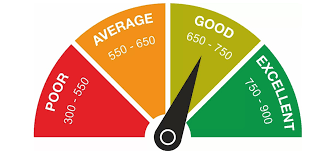
A CIBIL score typically ranges between 300 and 900. The higher your score, the more trustworthy you appear to lenders.
Here’s a quick breakdown:
| CIBIL Score Range | What It Suggests | Chances of Loan Approval |
|---|---|---|
| 750 – 900 | Excellent | Very High |
| 650 – 749 | Good | Moderate to High |
| 550 – 649 | Fair | Possible, but with stricter conditions |
| 300 – 549 | Weak | Low |
Checking your score gives you clarity—are you already in a safe range, or do you need to work on improvements?
Why It’s Important to Calculate Your CIBIL Score
When you calculate your CIBIL score, you’re essentially reviewing how your credit habits have shaped your profile. Factors such as repayment history, outstanding debts, credit utilisation, and even the length of your credit history all feed into this number.
Think of it like a financial health check. Just as you wouldn’t wait for a health problem before going for a check-up, you shouldn’t wait for loan rejection before checking your score. By knowing your number early, you can take corrective steps if required.
How Checking Online Helps When You Take a Home Loan
When you decide to take a home loan, lenders look at two things: your income and your CIBIL score. While income reflects your repayment capacity, the score shows your repayment reliability.
By choosing to check CIBIL online before applying, you gain advantages like:
- Understanding whether you’re eligible for the loan amount you want.
- Avoiding unnecessary applications (multiple rejections can further reduce your score).
- Getting a clearer idea of the interest rate bracket you might qualify for.
It’s the kind of preparation that saves both time and effort.
Steps to Improve Credit Score
If your score isn’t where you’d like it to be, don’t worry—improving it is possible with consistent effort. You could:
- Repay outstanding dues on credit cards or loans.
- Avoid applying for multiple loans simultaneously.
- Maintain a healthy mix of secured/unsecured credit.
- Always pay EMIs and card bills on or before the due date.
(Think about it like this—just as small lifestyle changes improve your health, small financial habits steadily improve your credit score over time.)
Common Myths About CIBIL Score
People often misunderstand how credit scores work. Let’s clear a few:
- Checking your score reduces it – False. A self-check is considered a “soft enquiry” and has no impact.
- Having no credit history means a good score – Not necessarily. With no track record, lenders have nothing to assess.
- Only income matters for loans – In reality, income + credit score together determine approval.
Everyday Scenarios Where Checking Online Makes Sense
There are many times when it’s wise to check CIBIL score online:
- Before applying for a housing loan (to avoid surprises during approval).
- After repaying a large loan or clearing a long-standing debt (to see the positive impact).
- When planning to switch jobs or move abroad (as lenders still consider your credit behaviour).
In each case, a quick online check keeps you informed and helps you stay prepared.
Wrapping It Up
At its core, choosing to check your CIBIL score online is about taking control of your financial future. Whether you want to take a home loan, calculate your CIBIL score, or simply track progress as you improve your credit score, knowing where you stand is essential.
The good news is—it only takes a few minutes, and it can save you from delays, rejections, or unfavourable loan terms. Think of it as a small step that leads to bigger financial confidence. After all, your credit score isn’t just a number—it’s the key to unlocking smoother approvals, better rates, and more opportunities.