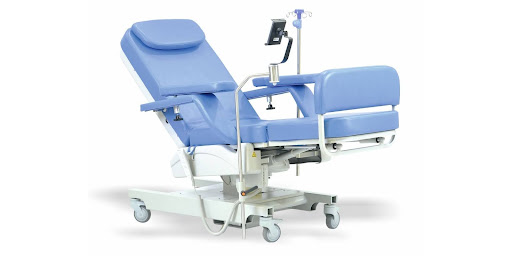
When it comes to healthcare, the smallest details often make the biggest difference. For patients undergoing dialysis, the Hemodialysis Chair is not just a piece of furniture—it is their support system for hours at a time. A dialysis session typically lasts between three to five hours and can occur multiple times per week. This means the chair plays a vital role in shaping patient comfort, reducing stress, and even assisting medical professionals in performing their duties more effectively. Selecting the right chair, therefore, is not merely a purchase decision but an investment in patient well-being and clinical efficiency.
In this article, we will explore the key factors to consider when choosing a dialysis chair, highlighting what makes a chair not only functional but also patient-friendly and durable.


The Importance of a Quality Hemodialysis Chair
Dialysis is a demanding procedure, both physically and emotionally, for patients. A poorly designed chair can lead to discomfort, pressure sores, or musculoskeletal strain, which can negatively impact the patient’s experience. On the other hand, a well-engineered chair can improve treatment tolerance, reduce anxiety, and enhance patient cooperation during long sessions. For hospitals and clinics, selecting the right chair also improves workflow for nurses and technicians, as adjustable features make patient monitoring and intervention easier.
A dialysis chair must strike a balance between comfort, functionality, durability, and hygiene. These considerations ensure that the patient feels secure while the staff has the flexibility to operate efficiently.
Key Features to Consider
When investing in dialysis chairs for a clinic or healthcare facility, administrators should assess multiple aspects to ensure long-term value and performance.
1.Patient Comfort
Comfort is paramount. Since patients spend long durations in these chairs, cushioned upholstery, ergonomic design, and adjustable reclining positions are essential. Memory foam or high-density foam padding helps prevent pressure sores, while contoured backrests provide spinal support. Armrests should be padded and adjustable to support IV access without straining the patient’s arms.
2.Adjustability and Positioning
Modern dialysis chairs are designed with motorized or manual adjustment systems. The ability to recline, elevate the legs, or adjust height ensures flexibility to meet patient needs and enhance medical procedures. Some models even include a “trendelenburg” function for emergency positioning during complications. For staff, adjustability reduces strain and allows easier access to patients.
3.Durability and Material Quality
The chair must withstand constant use, often several times a day, without wear or malfunction. High-quality medical-grade materials, stainless steel frameworks, and durable upholstery resistant to spills and disinfectants are non-negotiable. A sturdy design not only ensures patient safety but also extends the product’s lifespan, delivering better return on investment for healthcare providers.
4.Hygiene and Maintenance
In a clinical environment, infection control is critical. Dialysis chairs should feature antimicrobial surfaces, seamless upholstery, and easy-to-clean materials. Removable cushions and covers can also simplify maintenance. Chairs that resist stains and damage from disinfectants are particularly valuable in busy dialysis centers.
5.Mobility and Space Efficiency
Many facilities require dialysis chairs to be easily movable. Models with lockable casters allow smooth mobility when repositioning is necessary. Additionally, compact yet functional designs are important for clinics where space is at a premium. Chairs that combine mobility with stability provide an ideal balance for both patients and caregivers.
6.Safety Features
Since patients undergoing dialysis can be prone to weakness or sudden complications, safety features are essential. Sturdy armrests, non-slip footrests, side rails, and locking mechanisms provide additional support. Emergency adjustment options allow staff to quickly reposition patients if required.
7.Technological Enhancements
Some modern dialysis chairs come equipped with advanced features such as integrated touch panels, USB ports for patient convenience, and built-in sensors for monitoring posture or pressure points. While these may not be mandatory, they can significantly enhance the overall patient experience and differentiate a healthcare facility.
The Patient-Centered Perspective
While features and specifications are important, it’s equally crucial to view the dialysis chair from the patient’s perspective. Patients often report that long sessions can feel exhausting and emotionally draining. A comfortable, supportive chair with a pleasing design can help alleviate stress and contribute positively to their overall treatment experience. Small additions like cushioned arm supports, easy recline functions, or quiet motors can make a world of difference.
Moreover, a chair that allows patients to adjust their position independently promotes a sense of control, helping them feel more engaged in their care rather than passive recipients of treatment.
The Clinical Staff’s Perspective
From the perspective of doctors, nurses, and technicians, the right chair enhances efficiency and reduces workload strain. Easy-to-operate adjustment features save time during setup, while ergonomic access points simplify IV line insertion and monitoring. Chairs designed with storage options for medical supplies can also reduce clutter and streamline workflow.
Additionally, chairs with smooth-rolling casters or lightweight structures make it easier for staff to move equipment around, minimizing workplace injuries. For clinics handling large patient volumes daily, this operational efficiency is invaluable.
Why Hospitals Should Choose Premium Manufacturers
Selecting chairs from trusted manufacturers ensures quality, compliance with safety standards, and access to innovative features. Premium brands focus on precision engineering, ergonomic comfort, and durability, which directly impact patient outcomes. Additionally, such manufacturers often provide after-sales support, maintenance services, and warranties, ensuring peace of mind for hospitals and clinics.
Conclusion
Selecting the right dialysis chair is far more than a logistical decision—it’s about investing in patient dignity, comfort, and clinical efficiency. From ergonomic design and durability to safety and hygiene, every feature matters. A thoughtful choice ensures smoother treatments, happier patients, and empowered medical staff.
When it comes to reliable and advanced dialysis solutions, Esthetica Medical Furniture stands out. Esthetica is a pioneering name amongst medical furniture manufacturers in India, headquartered in Gurgaon, Haryana. They manufacture and supply world-class clinical and hospital furniture to distributors, healthcare consultants, clinics, and hospitals worldwide. Known for engineering excellence, Esthetica utilizes advanced CNC turning and laser cutting for precise, durable components, setting new benchmarks as a trusted hospital furniture manufacturer. With their innovative approach, they are redefining patient care through quality and reliability.