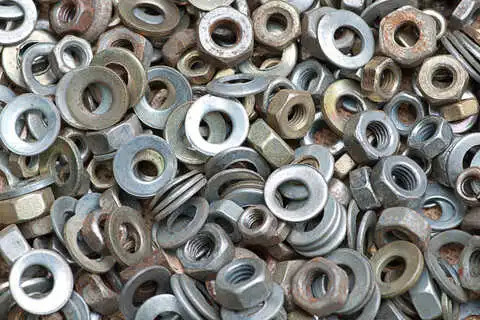
Washers are thin metal discs that accompany bolts and nuts to secure components together in machines and buildings. They might appear to be basic, yet they play a significant role in maintaining connections to be stable and secure. Washers help parts stay in place and protect surfaces from scratches or damage. You will find washers in vehicles, construction, aeroplanes, and factory tools.
India manufactures many washers for large companies worldwide. Manufacturers here focus on making reliable products and selling them to different industries. Factories utilize strong materials and modern tools to manufacture washers that adhere to strict standards.


Selecting the correct washer involves examining the type of washer and its manufacturer. Plain washers, spring washers, square washers and tab washers all act differently. This guide explains how they work so you can match the washer to your project.
Types of Washers
- Plain Washers
Plain washers are simple round parts with a hole in the middle. These discs help distribute pressure from nuts and bolts, so one area doesn’t bear all the force. They keep bolts from cutting into soft materials or making dents in surfaces. If someone tightens a bolt onto wood or thin metal, a plain washer makes sure everything holds firm.
There are many sizes and thicknesses of plain washers for jobs big and small. Top washer manufacturers in India produce plain washers using metals such as brass, stainless steel, or high-carbon steel. They design these so they resist rust and last for years even in tough places.
Key Uses:
- Spreads force underneath nuts and bolts
- Stops surfaces from getting scraped or marked
- Prevents bolts from punching through weaker stuff
- Creates a smooth place to tighten fasteners
- Used in construction, vehicles, and everyday machines
- Spring Washers
Spring washers work differently from flat ones and are shaped to behave like small springs. Their job is to keep things tight by pressing on the bolt, ensuring it does not loosen due to shaking or movement. These washers may appear split, bent, or waved, but each design maintains pressure on bolts even when the machine vibrates.
Factories that build cars, train tracks, or big engines depend on spring washers. When the equipment is in motion or vibrating intensely, these washers help keep the bolts in place. It has several primary types, including split washers, Belleville washers, and wave washers, each with its purpose.
Spring washers are manufactured with strong steel alloys and stainless steel. This safeguards them against rust and provides them with increased heavy equipment strength.
Key Uses:
- Keeps bolts from getting loose in machines that shake
- Maintains tension even when parts get warm or cool
- Needed for engines, trains, and vehicles
- Used in places where connections must not come undone
- Good choice for heavy tools and machines
- Square Washers
Square washers do not have a rounded edge, but instead have four straight sides. This form provides a more even distribution of the load compared to simple round washers. Builders often use square washers for wood frames, steel beams, or areas where a lot of force is involved.
Since they are usually thicker, square washers serve two purposes: they protect surfaces and prevent bolts from pushing through soft wood or metal. They are common in farm equipment, building foundations, and railway projects.
Companies in major Indian cities make square washers with mild steel, galvanized steel, and stainless steel. The outer coats shield them from rust outside.
Key Uses:
- Spreads out the weight over a larger space
- Fits wood, steel beams, and frame projects
- Stops bolts from sinking into softer materials
- Used in building foundations and train tracks
- Helps connect heavy parts more safely
- Tab Washers
Tab washers are special types that come with tabs or notches sticking out. These tabs get bent over after tightening and lock the washer or nut in place. That way, even if there is a lot of movement, the bolts and nuts will not turn or slip open.
Machines like gearboxes and turbines use tab washers when no mistakes can be allowed. Some have one tab, others multiple, and they are made from strong steel to handle high force.
Manufacturers offer tab washers in various sizes and finishes to meet industrial needs.
Key Uses:
- Locks connections so nuts and bolts don’t spin loose
- Prevents shaking and twisting from breaking open joints
- Used in engines, gearboxes, and turbines
- Serves as a mechanical lock for vital parts
- Needed for machines that can’t fail
Materials Used in Washer Manufacturing
The toughness and usefulness of a washer depend on the material it is made from. Some jobs require washers that won’t rust, while others require them to be strong or even conduct electricity. Manufacturers use several materials to match the task at hand.
- Stainless Steel Washers
Most washers are made of stainless steel because it is resistant to rust and quite strong. These are used in the open air or where there is water, chemicals or high moisture. Constructors prefer stainless steel grades that include SS 304 and SS 316.
Advantages:
- Highly resistant to rust and damage
- Handles wear and exposure to chemicals
- Long-lasting and does not break easily
- Carbon Steel Washers
Carbon steel washers offer high strength at a lower price. That makes them popular for construction and big machines. To prevent rust, these washers often receive coatings such as zinc or black oxide.
Advantages:
- Strong enough for high loads
- Good value for large amounts
- Comes in lots of strengths and thicknesses
- Brass Washers
Brass washers are good conductors and do not corrode easily; therefore, they are widely used by electricians and plumbers. They appear shiny and are also safe, as they will not spark when objects hit or rub against them; thus, they can be used in hazardous locations.
Advantages:
- Moves electricity and heat easily
- Stays shiny and does not rust
- Won’t spark, so safe near fires or fuel
- Copper Washers
Copper washers are easy to bend and they are good conductors of heat and electricity. They find application in sealing in engines, pipelines, and hydraulics. Copper adopts the form of things it comes into contact with, which allows it to form tight seals.
Advantages:
- Excellent at carrying electricity and heat
- Forms tight seals under pressure
- Stays strong in wet conditions
- Nylon (Plastic) Washers
Nylon washers are lightweight and do not conduct electricity at all. They also resist water, chemicals, and oil, making them suitable for use in electronics, light devices, and other areas where metal washers would not be suitable.
Advantages:
- Stops electricity from passing
- Won’t rust or react to chemicals
- Quiet and lightweight
- Aluminum Washers
Aluminum washers are a lighter option and do not rust, thus airplanes, vehicles, and ships use them. They are not as strong as steel washers, but with the advantage of being very lightweight, they can be useful in designs where every gram counts.
Advantages:
- Extremely light and easy to use
- Natural resistance to rust
- Great for vehicles and marine equipment
- Rubber Washers
Rubber washers are mostly used for sealing, reducing vibration, and absorbing shock. They go into plumbing, electronics, and places needing silent operation or leak prevention.
Advantages:
- Creates a strong seal to stop leaks
- Absorbs shocks and cuts noise
- Flexible and good for water systems
How to Choose the Right Washer
Selecting a washer is not about taking any circular object. The washer must suit its job, its load, its material, and where it will be used. Making a bad decision may result in breakages and loose joints that are costly to repair in the future.
Think about these points to select a washer that works well:
- Identify the Purpose of the Washer
First, know exactly what the washer must do. Some washers spread force, some seal, others stop vibration, and some block electricity.
- Use plain washers for force spreading
- Use spring or lock washers to fight vibration
- Use copper or rubber washers to seal pipes or tubes
- Consider the Type of Load
The amount and type of force determine how thick or strong the washer should be.
- Plain washers handle lighter weights
- Steel or alloy washers are better for heavy jobs
- Spring and tab washers are right for moving or vibrating equipment
- Match the Washer Material with Application
Choose washer material based on its intended use and location.
- Stainless steel or brass is best for wet or outdoor sites
- Look for nylon or plastic in electrical jobs
- Copper or alloy steel for high-temperature areas
- Carbon steel washers work for regular buildings and machinery
- Choose the Correct Size and Thickness
A washer’s central hole should fit the bolt tightly. Washers that are too loose do not distribute the load well, and washers too tight can damage parts. Always check the size and thickness to ensure they fit the assembly needs.
- Surface and Coating Requirements
Coatings help extend the lifespan of washers and prevent rust or wear.
- Zinc coatings stop rust in damp places
- Black oxide coatings give some rust protection and improve look
- Hot-dip galvanized washers suit marine and construction jobs
- Evaluate Industry Standards and Grades
Good washer manufacturers follow major standards such as IS, ASTM, DIN, or ISO. Washers made to these rules meet quality tests and work well for important projects.
- Assess Cost vs. Performance
Save money by finding the right balance between price and the washer’s durability. Cheap washers may initially cost less, but they can lead to safety risks or premature breakdowns, resulting in higher repair costs.
- Consult Trusted Washer Manufacturers and Suppliers
Reliable factories in places like Delhi, Ludhiana, or Mumbai offer guidance on which washers best meet specific needs. Good manufacturers supply steady quality, big orders, and delivery on schedule.
Conclusion
Washers may be tiny, but connections are only as strong as the washers used in them. We have plain washers to spread weight, spring washers to absorb vibration, square washers for added strength, and tab washers to serve as locks. The right washer and supplier will result in safer machines, better outcomes, and time saved.
Indian washer manufacturers are unique in offering powerful, cost-effective, and consistent washers to industries worldwide. Choosing suppliers in Delhi or other major Indian cities gives companies high quality and fair deals on bulk orders.