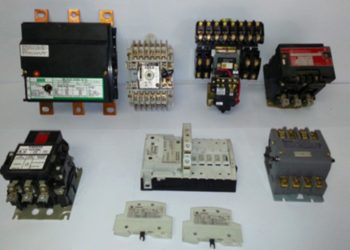
In the rapidly evolving world of technology, custom hardware design stands at the forefront of innovation, offering tailored solutions that meet the unique needs of users and industries alike. This fascinating area combines creativity with technical prowess, pushing the boundaries of what’s possible in technology. Whether you’re a high school student curious about the field or someone interested in the latest tech trends, understanding its role can provide valuable insights into the future of technology.
In this article, we’ll explore:


- Its fundamental concepts and importance in shaping the future of technology.
- How it meets the specific requirements of various industries, enhancing functionality and efficiency.
- The role of innovation and creativity in the development of solutions, particularly in addressing complex technical challenges.
What is Custom Hardware Design?
Custom hardware design refers to the process of creating electronic components and systems specifically tailored to meet the unique requirements of a project or product. Unlike off-the-shelf hardware, which is mass-produced and standardized, it is designed with a specific purpose in mind, offering solutions that generic products cannot.
The Importance
Why go for custom hardware when there are so many ready-made solutions available? The answer lies in the unique advantages that custom-designed hardware brings to the table:
- Optimized Performance: It is specifically designed to handle the demands of its intended use, ensuring peak performance.
- Greater Flexibility: Tailor-made solutions mean you’re not bound by the limitations of standard hardware.
- Cost-Effectiveness: In the long run, it can be more economical, especially when it comes to specialized applications.
- Improved Functionality: It can be designed to integrate seamlessly with existing systems, improving overall functionality.
- Enhanced Security: You have full control over security measures, ensuring your sensitive data is safe and secure.
Innovations
The field is constantly evolving, with new technologies and methodologies emerging regularly. Here are some of its most exciting innovations:
1. Advanced Prototyping Technologies
- 3D Printing: This technology allows designers to quickly create prototypes of hardware components, significantly speeding up the development process.
- CNC Machining: Computer-controlled machining offers another rapid prototyping solution, producing precise and durable components.
2. AI and Machine Learning Integration
- Smart Components: Incorporating AI allows for smarter, more responsive systems that can adapt to users’ needs.
- Predictive Maintenance: Hardware can now predict failures before they happen, thanks to machine learning algorithms, reducing downtime and maintenance costs.
3. Sustainable and Eco-friendly Materials
- Biodegradable Electronics: Researchers are developing materials that can safely break down, addressing electronic waste issues.
- Energy-efficient Design: New hardware designs focus on minimizing energy consumption, contributing to more sustainable technology solutions.
Solutions Offered
It is not just about innovation; it’s also about solving real-world problems. Here are some areas where it makes a significant impact:
1. Healthcare
- Wearable Devices: Customized wearables can monitor vital signs, detect falls, and even predict medical events.
- Diagnostic Equipment: Tailored hardware solutions can improve the accuracy and efficiency of medical diagnostics.
2. Environmental Monitoring
- Sensor Networks: Custom sensors can track environmental conditions, from air quality to water purity, providing critical data for research and public health.
3. Consumer Electronics
- Personalized Gadgets: From smartphones to smart homes, it allows for personalization at a level previously unimaginable.
4. Industrial Automation
- Robotic Systems: Custom-designed hardware can automate complex industrial processes, increasing efficiency and safety.
The Process
The process is intricate, involving multiple steps from conceptualization to final product creation. This pathway ensures that the resulting hardware not only meets the specific needs of a project but also adheres to the highest standards of quality and functionality. Here’s a comprehensive look at the key stages in the process:
Conceptualization and Planning
- Identify Specific Needs: The first step involves a thorough analysis of the project’s requirements, objectives, and constraints.
- Feasibility Study: Assess the technical feasibility of the proposed solution, including the availability of technology and resources.
Design and Prototyping
- Schematic Design: Develop electrical schematics that outline the hardware’s architecture, components, and their interconnections.
- Selection of Components: Choose the most suitable components based on performance, cost, and availability considerations.
- Prototype Development: Create a working model of the hardware using techniques like 3D printing or CNC machining for testing and validation.
Testing and Validation
- Functional Testing: Check if the prototype meets the intended functional requirements and performs as expected under various conditions.
- Iterative Design Improvements: Based on testing results, make necessary adjustments to the design to resolve any issues or enhance performance.
Finalization and Production
- Final Design Tweaks: Finalize the design, incorporating all feedback and improvements identified during the prototype testing phase.
- Pre-Production Samples: Produce a small batch of the hardware for final testing and approval before mass production.
- Mass Production: Once the pre-production samples are approved, proceed with mass producing the custom hardware.
Quality Assurance and Compliance
- Quality Checks: Implement stringent quality control measures throughout the production process to ensure consistency and high standards.
- Regulatory Compliance: Ensure the hardware complies with all relevant industry standards and regulations for safety and environmental impact.
Deployment and Support
- Installation and Configuration: Assist in the integration into the existing systems or processes it is designed for.
- Ongoing Support: Provide support for any issues that arise post-deployment, including maintenance, updates, and future upgrades.
This structured approach not only facilitates the creation of innovative and tailored solutions but also ensures their viability, reliability, and sustainability in real-world applications.
Challenges and Future Outlook
While it offers numerous benefits, it also presents its own set of challenges. Some of the common obstacles to overcome include:
- High Cost: The design and production process for tailored hardware can be costly, making it inaccessible for some projects.
- Longer Production Timeline: Custom solutions require more time to develop, test, and produce compared to off-the-shelf solutions.
- Complexity: The intricate design and integration can make it challenging to maintain and support in the long run.
Final Thoughts
The constant advancements in custom hardware design continue to push the boundaries of what is possible, allowing for more efficient, personalized, and impactful solutions. As technology continues to evolve, so will the potential for it to solve complex challenges across various industries. Whether it’s through advanced prototyping technologies or integrating AI and machine learning capabilities, we can expect exciting developments that will shape the future of technology.