There’s nothing more frustrating than standing ankle-deep in soapy water during a shower or watching your kitchen sink fill up while doing dishes. Clogged drains happen to everyone, but before you reach for harsh chemicals or call a plumber, there are safe and effective DIY drain fix Naples FL methods you can try first.
Whether it’s a slow drain, a complete blockage, or a stubborn clog connected to your garbage disposal repair, this step-by-step guide will help you get the water flowing freely again — and keep it that way.


Why Do Drains Get Clogged in the First Place?
To fix a drain properly, you first need to understand why it’s clogged. Different drains trap different kinds of debris:
• Kitchen sinks: Grease, oil, coffee grounds, and food scraps (especially from the garbage disposal).
• Bathroom sinks and tubs: Hair, soap scum, and toothpaste buildup.
• Floor drains or laundry drains: Dirt, lint, and sediment.
Even small blockages can cause major slowdowns — and if ignored, they can lead to water backups, foul odors, or even hidden leaks that may later require leak detection.
Before You Begin: Safety and Preparation Tips
Before attempting a DIY drain fix, follow these precautions:
• Turn off power if working near an electrical fixture or garbage disposal.
• Avoid chemical drain cleaners — they can corrode pipes and make professional repair harder later.
Gather basic tools:
• Plunger
• Drain snake or auger
• Baking soda and vinegar
• Boiling water
• Old towels or rags
If your drain issue is connected to an appliance, such as a disposal, be sure you’re familiar with garbage disposal repair safety guidelines — never insert your hand into the unit.
Step-by-Step: How to Unclog a Drain Fast
Let’s dive into the most effective, plumber-approved ways to clear a clog quickly and safely.
Step 1: Try the Boiling Water Method
This is the simplest and most natural drain fix.
How to do it:
• Boil a kettle or large pot of water.
• Slowly pour it down the drain in stages, allowing it to work through the clog between pours.
This works best for grease or soap buildup in kitchen or bathroom sinks. Avoid using boiling water if you have PVC pipes, as extreme heat can loosen connections.
Step 2: The Baking Soda & Vinegar Trick
This classic home remedy is both effective and eco-friendly.
How to do it:
• Pour ½ cup baking soda down the drain.
• Follow with 1 cup white vinegar.
• Let the mixture fizz for 15–20 minutes.
• Flush with hot water.
The bubbling action helps dissolve residue and freshen your pipes naturally — a great drain fix for mild blockages and odors.
Step 3: Use a Plunger the Right Way
Most people don’t use plungers correctly. For best results:
• For sinks, cover any overflow holes with a wet rag.
• Add enough water to submerge the plunger cup.
• Use quick, firm thrusts for 20–30 seconds.
This suction action can dislodge blockages close to the surface — just like a professional plumber would do before resorting to advanced tools.
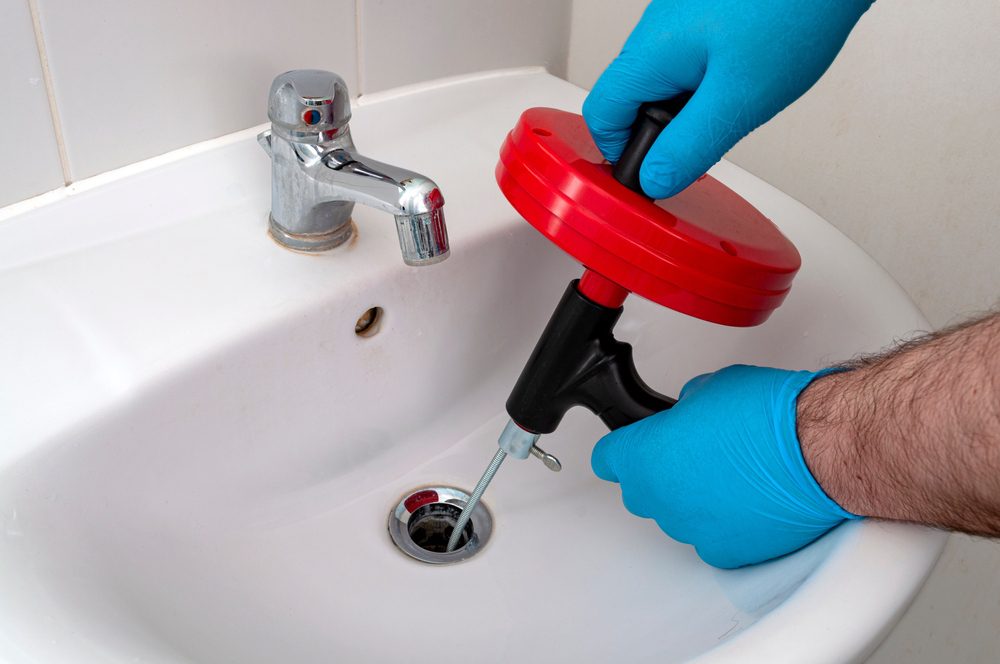
Step 4: Try a Drain Snake or Auger
If plunging doesn’t work, the clog may be deeper in the pipe.
How to do it:
• Insert the snake into the drain and rotate the handle clockwise.
• When you feel resistance, keep turning to break up or grab the clog.
• Slowly pull it back out, removing debris.
This method is ideal for hair buildup in bathroom drains or tough food waste in kitchen lines.
Step 5: Check the Garbage Disposal
Sometimes, what seems like a clogged drain is actually a jammed disposal.
If water backs up into the opposite sink, it’s a clue your disposal may be the problem.
Try this:
• Turn off the disposal and unplug it.
• Shine a flashlight inside to check for visible obstructions.
• Use a disposal wrench or hex key to manually turn the motor shaft underneath.
If it still doesn’t spin or you hear grinding noises, it might be time for a garbage disposal repair. A plumber or master plumber can inspect and fix mechanical issues safely.
What If Your Drain Is Still Clogged?
If none of these DIY methods work, it may be a sign of a deeper plumbing problem — possibly in the main line.
That’s when you should call a professional plumber. They can use specialized tools like hydro-jetting machines or camera inspection systems to locate and clear stubborn blockages.
In some cases, what looks like a simple clog may actually be caused by:
• Damaged or collapsed pipes
• Tree root intrusion
• Undetected leaks
In such situations, a leak detection service can identify hidden water loss before it causes structural damage or mold growth.
Prevent Future Drain Problems: Pro Tips from Plumbers
Prevention is always easier (and cheaper) than repair. Here are some expert plumber-approved tips to keep your drains clear and healthy:
Kitchen Drain Tips
• Run cold water when using your disposal.
• Avoid putting grease, eggshells, or coffee grounds down the drain.
• Schedule garbage disposal repair or maintenance once a year.
Bathroom Drain Tips
• Use drain covers to catch hair and soap residue.
• Clean drains monthly with baking soda and vinegar.
Whole-Home Plumbing Care
• Get annual plumbing inspections, including leak detection tests.
• Check under sinks and around fixtures for early signs of leaks or corrosion.
• If you live in an older home, have a plumber inspect pipes regularly for buildup or damage.
When to Call a Professional Plumber
Sometimes DIY solutions aren’t enough. You should call a professional plumber if:
• The drain repeatedly clogs despite cleaning.
• Water backs up into multiple fixtures.
• You suspect a leak or pipe damage.
• You hear unusual gurgling or smell foul odors.
A certified plumber can do more than unclog a drain—they can perform leak detection, inspect your system for deeper issues, and prevent future emergencies.
Conclusion
A clogged drain might seem like a small annoyance, but it can lead to bigger plumbing issues if ignored. With these DIY drain fix methods, you can safely clear most blockages in minutes using simple household tools and techniques.
Still, when the problem goes beyond surface-level buildup — like a faulty disposal or hidden pipe leak — it’s time to call in the pros. An experienced plumber can provide fast solutions, reliable garbage disposal repair, and advanced leak detection to keep your home’s plumbing system running smoothly.
Remember, plumbing maintenance isn’t just about convenience — it’s about protecting your home’s health, efficiency, and value. So, the next time your drain starts acting up, take action early, use smart DIY techniques, and never hesitate to call a plumber Naples FL when you need expert help.
Because a clean, clog-free drain doesn’t just make life easier — it keeps your home flowing beautifully.