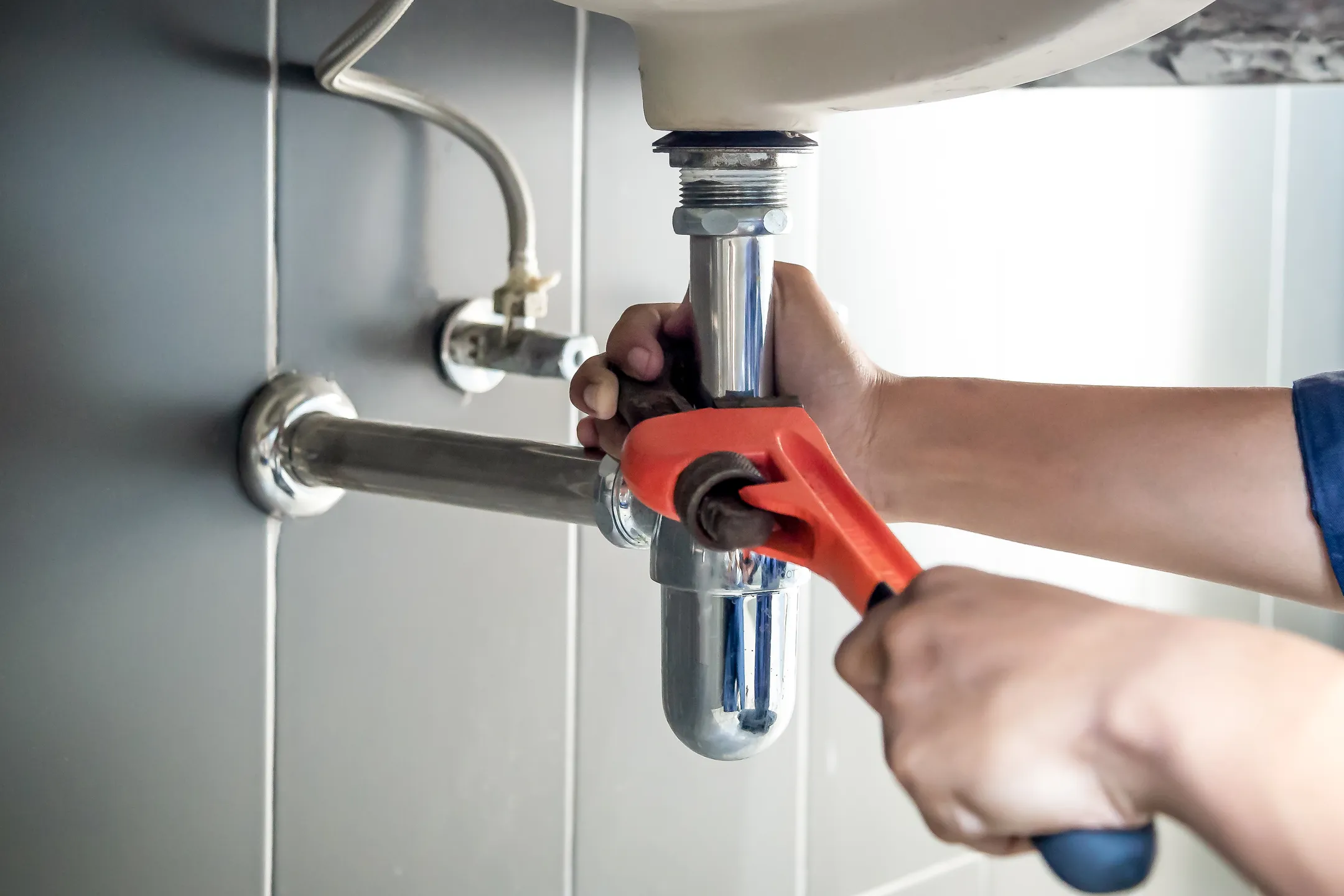
Every home relies on a functioning plumbing system for daily activities such as cooking, cleaning, bathing, and maintaining hygiene. Yet, despite its importance, plumbing often goes unnoticed until something goes wrong. Issues like leaking taps, clogged drains, or low water pressure can cause significant disruption if not addressed promptly. Understanding the basics of plumbing and how it is managed in modern cities is essential for homeowners and tenants alike.
Understanding Plumbing in Singapore
The infrastructure supporting plumbing in Singapore is designed to meet high standards of hygiene, safety, and efficiency. As a city known for its advanced urban planning, Singapore has strict regulations governing water supply, drainage, and sanitation. These rules ensure that residents have access to clean water while minimizing the risks of contamination or system failures. Whether in high-rise apartments, landed properties, or commercial buildings, the plumbing system plays a crucial role in maintaining the city’s reputation for high living standards.

Common Plumbing Issues in Homes
Plumbing problems are not only inconvenient but can also lead to costly repairs if left unchecked. Some of the most common issues households face include:
- Leaking taps or pipes – A common problem that wastes water and increases utility bills.
- Clogged drains – Often caused by grease, hair, or foreign objects blocking the flow of water.
- Low water pressure – Can be due to pipe blockages, leaks, or issues with the main supply.
- Running toilets – A hidden leak that can waste large amounts of water over time.
- Water heater problems – Inconsistent heating or complete breakdown of hot water supply.
By recognizing these issues early, homeowners can prevent small inconveniences from escalating into major disruptions.
Importance of Proper Maintenance
A well-maintained plumbing system is not just about convenience; it also ensures safety and efficiency. Regular maintenance can:
- Extend the lifespan of pipes and fixtures.
- Reduce the risk of leaks and water damage.
- Improve water pressure and flow.
- Conserve water and lower monthly bills.
- Provide peace of mind by preventing unexpected emergencies.
Simple actions such as checking for leaks, cleaning drains, and servicing water heaters can make a big difference in the long run.
Plumbing in High-Rise Buildings
Singapore is home to many high-rise residential buildings, each requiring a carefully planned plumbing system. These structures use vertical stacks of pipes to distribute water and handle wastewater efficiently. Special measures are taken to ensure that water pressure is consistent across all floors, especially in taller buildings. Drainage systems also need to be well-designed to avoid backflow issues, which can be both unhygienic and unpleasant.
Water Conservation in Plumbing
Water is a precious resource, and Singapore has long been committed to sustainability. Modern plumbing systems are designed to promote water conservation without compromising convenience. Some examples include:
- Low-flow fixtures – Reduce water use in taps and showers.
- Dual-flush toilets – Allow users to control the amount of water used per flush.
- Smart water meters – Help residents monitor and reduce water consumption.
Adopting such practices not only benefits the environment but also helps households save on utility costs.
Plumbing Regulations and Standards
Plumbing in Singapore is regulated under strict codes to ensure safety and hygiene. Licensed professionals must follow guidelines when installing or repairing systems. This includes proper pipe sizing, use of approved materials, and ensuring that drinking water is not contaminated by wastewater. By following these standards, the city maintains its reputation for reliable and safe water supply.
Role of Technology in Modern Plumbing
Technology has significantly transformed the way plumbing systems operate. Today, innovations allow for smarter, more efficient solutions:
- Leak detection sensors – Alert homeowners to hidden leaks before they cause damage.
- Smart water heaters – Provide on-demand heating while conserving energy.
- Automated shut-off systems – Prevent flooding by cutting water supply in case of pipe bursts.
- Pipe relining technology – Allows repair of damaged pipes without major excavation work.
These advancements make plumbing systems more sustainable, cost-effective, and convenient for households.
DIY vs Professional Plumbing
Some minor issues, such as unclogging a sink or tightening a loose tap, can be managed by homeowners themselves. However, more complex problems often require professional expertise. Attempting to fix major plumbing issues without the right tools or knowledge can lead to further damage and higher repair costs. Knowing when to handle an issue personally and when to call an expert is an important aspect of maintaining a healthy plumbing system.
Signs You Need Immediate Help
Certain plumbing issues require urgent attention to prevent property damage or health risks. These include:
- Sudden drop in water pressure throughout the home.
- Burst pipes leading to flooding.
- Persistent foul odors from drains, which may indicate blockages or sewage issues.
- Water discoloration, signaling potential contamination.
- Unexplained spikes in water bills, often due to hidden leaks.
Prompt action in such cases can save time, money, and stress.
Future of Plumbing in Singapore
As Singapore continues to grow, so does the demand for smarter and more sustainable plumbing systems. The integration of green technology, smart monitoring, and advanced materials will shape the future of plumbing in both residential and commercial settings. With urban sustainability being a national priority, future systems will likely focus on reducing water wastage, improving efficiency, and ensuring long-term reliability.
Conclusion
Plumbing is the backbone of modern living, ensuring that households and businesses can function smoothly every day. In Singapore, where high living standards and sustainability go hand in hand, maintaining a well-functioning plumbing system is essential. From routine maintenance and water conservation efforts to advanced technology and regulations, plumbing plays a critical role in everyday life. By staying informed and proactive, residents can ensure their plumbing systems remain reliable, efficient, and ready to meet the challenges of modern urban living.