Metal containers have long been valued for their durability, elegance, and timeless appearance. From storing luxury cosmetics to premium food products, their sleek and sturdy design makes them a preferred choice for brands aiming to convey quality and sophistication. But beyond functionality, the design and branding of these containers play a crucial role in shaping customer perception. With the right approach, metal packaging can become not just a protective shell but a storytelling medium that connects a product with its audience.
The Evolving Role of Metal Packaging
Metal packaging has evolved significantly from being just a practical storage option to a medium that communicates a brand’s personality. In today’s competitive marketplace, visual identity matters as much as product quality. Consumers are drawn to designs that resonate with their values and aesthetics. A simple metallic box, when carefully designed, can leave a lasting impression on the customer’s mind.


One of the most effective ways to achieve this is through custom branding on metal containers. This approach allows brands to express their uniqueness through texture, color, and finish while maintaining the durability and elegance metal is known for.
Why Custom Branding Matters
Branding is more than just placing a logo on packaging—it’s about telling a story. Every element, from typography to the choice of color palette, contributes to building trust and recognition. When done correctly, custom branding on metal containers gives the product a premium, memorable identity that encourages consumer loyalty.
Unlike paper or plastic packaging, metal offers an advantage through its tactile appeal. The smooth, cool surface of tin or aluminum adds a sense of luxury and permanence. It invites touch, which strengthens the connection between the product and the user. Additionally, the reflective surface of metal enhances the vibrancy of printed designs, allowing colors and graphics to stand out beautifully.
Common Techniques Used in Metal Branding
Branding on metal requires careful consideration of technique, as different methods yield different results depending on the desired look and feel. Below are some of the most common techniques used:
1. Lithographic (Offset) Printing
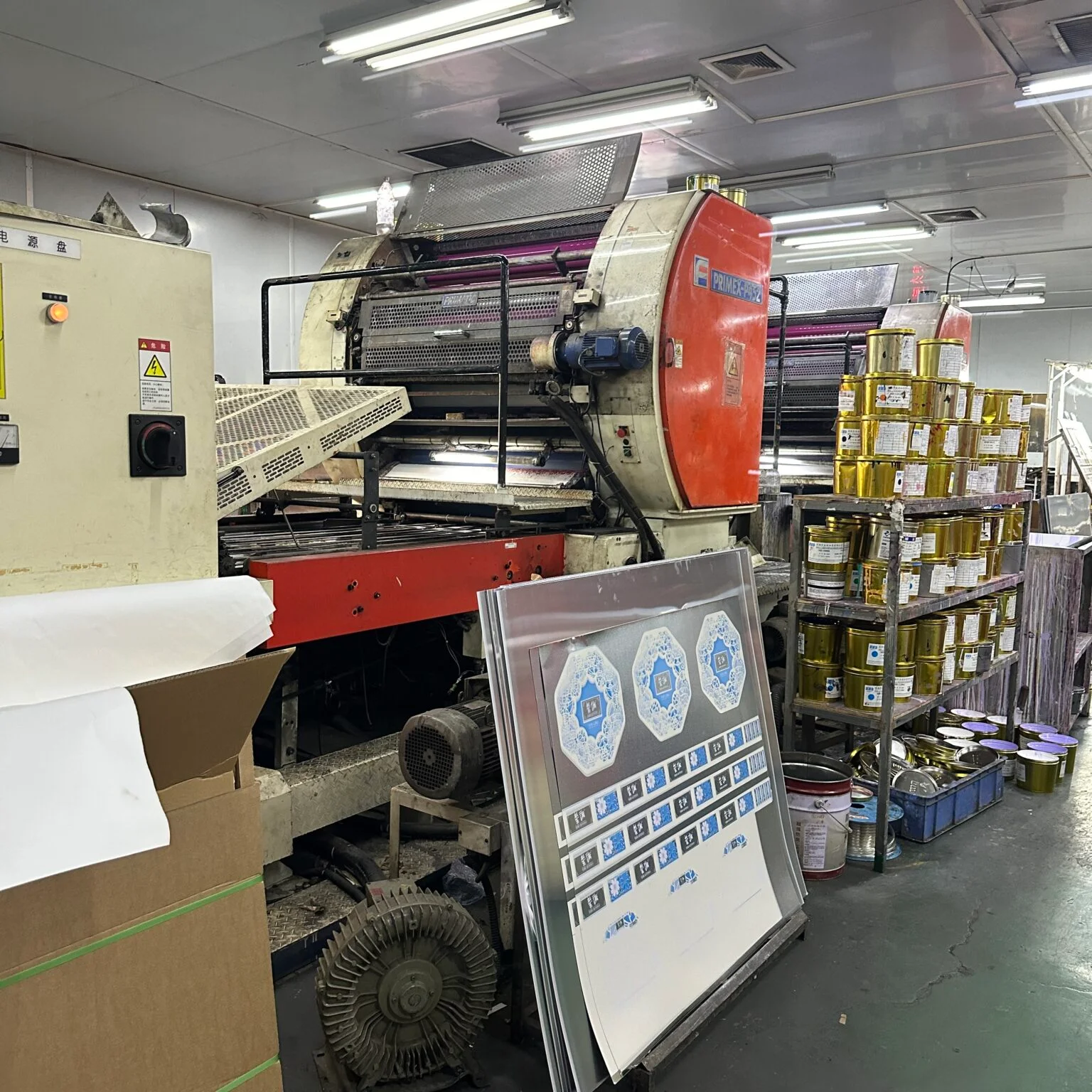
Lithography is a high-quality printing technique ideal for detailed and colorful artwork. It’s widely used for tins and metal boxes that need a visually rich design. The process ensures that every color and gradient is accurately represented, creating an appealing finish that attracts attention.
2. Screen Printing
For bolder and simpler designs, screen printing works exceptionally well. This method uses thicker layers of ink, producing vivid colors that are durable and resistant to wear. It’s perfect for limited-edition packaging or branding that emphasizes strong visual contrast.
3. Embossing and Debossing
These techniques create three-dimensional designs by raising or recessing the metal surface. Embossing adds texture and depth, while debossing provides an engraved effect. Both add a tactile element that enhances the overall sophistication of the packaging.
4. Laser Engraving
Laser engraving is a precise and permanent technique often used for minimalist or luxury branding. It offers a sleek and refined look, making it ideal for high-end products. Since the process doesn’t use ink, it’s also more sustainable and long-lasting.
5. Digital Printing
Digital printing is gaining popularity due to its flexibility and efficiency. It’s especially beneficial for small-batch production or personalized designs. This method supports a wide range of colors and patterns without requiring expensive setup costs.
Design Elements That Elevate Brand Identity
The success of custom-branded metal containers depends not only on the printing technique but also on design choices. Here are some key elements to consider:
- Color Psychology: Metallic shades such as silver, gold, or bronze convey luxury and reliability, while pastel or bold colors can add a playful, modern twist.
- Typography: Clean, legible fonts reflect professionalism, while artistic or vintage typefaces evoke creativity and nostalgia.
- Finish: Matte finishes give a subtle and modern appeal, while glossy ones enhance vibrancy and create a more eye-catching appearance.
- Texture: Adding tactile patterns through embossing or coating makes the packaging more engaging to the touch.
Each of these elements contributes to building a strong emotional connection with the customer, ensuring that the brand stands out even before the product is opened.
Sustainability and Reusability
Sustainability has become an essential part of modern branding, and metal packaging fits perfectly into this shift. Unlike plastic, metal can be recycled indefinitely without losing its quality. This aligns with the growing consumer demand for environmentally responsible packaging.
Moreover, well-designed metal containers are often reused by consumers—for storage, decoration, or gifting. This extended life cycle keeps the brand visible in people’s homes for a long time, enhancing recognition and recall. In essence, investing in sustainable and aesthetically pleasing packaging benefits both the environment and brand identity.
Creating a Lasting Consumer Experience
A well-branded metal container doesn’t just protect the product; it shapes the entire user experience. The sound of opening a tin, the shine of its surface, and the texture of its design all engage the senses. These small yet impactful details influence how customers perceive the product’s quality.
Packaging also plays a psychological role in purchasing behavior. Studies suggest that attractive packaging can create positive emotions, making consumers more likely to choose one product over another. A thoughtfully designed metal container communicates value, care, and authenticity—all essential in building trust and loyalty.
Trends in Metal Packaging Design
As design trends evolve, brands are embracing minimalism and authenticity. Instead of overly complex visuals, modern packaging emphasizes simplicity and clarity. Subtle color gradients, matte textures, and understated logos are now associated with premium quality.
Another emerging trend is personalization. Consumers appreciate products that feel tailored to their preferences. Digital printing and small-batch customization allow brands to experiment with limited-edition designs, personalized messages, or even customer names on containers. This personal touch adds emotional value to the purchase experience.
Challenges in Metal Branding
While metal packaging offers numerous advantages, it also presents unique challenges. The reflective nature of metal can alter color perception, requiring designers to test and adjust artwork carefully. Production costs can also be higher than with other materials, especially for small runs.
However, advancements in technology are making these challenges easier to overcome. Modern printing and coating methods provide better accuracy, affordability, and flexibility than ever before, allowing even smaller brands to take advantage of metal packaging’s premium appeal.
Final Thoughts
Custom branding on metal containers is more than a design trend—it’s an art form that merges creativity, functionality, and sustainability. By combining durable materials with thoughtful design, brands can create packaging that not only protects but also communicates value and identity.
In a marketplace saturated with options, what truly makes a product stand out is how it makes the consumer feel. A beautifully branded metal container achieves just that—it captivates the eye, evokes emotion, and turns ordinary packaging into a lasting brand experience.