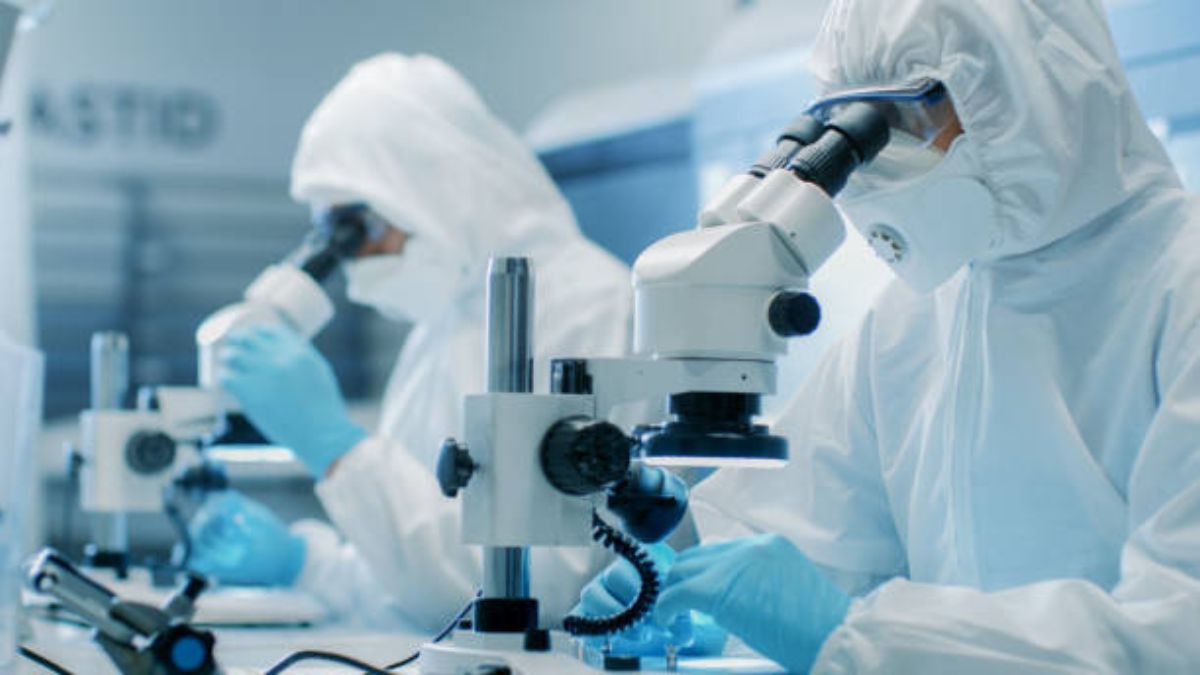
Nanotechnology, a field that manipulates matter on an atomic or molecular scale, is revolutionizing health innovation with its potential to transform both diagnostics and treatment strategies. This burgeoning technology, operating at the scale of one billionth of a meter, is pioneering unprecedented advancements in medicine, promising more effective, less invasive, and highly personalized healthcare solutions.
The Intersection of Nanotechnology and Health Innovation
At the heart of nanotechnology‘s allure in health innovation is its ability to operate and interact at the cellular and molecular levels of biological systems. This capability opens up new avenues for medical research and treatment, including targeted drug delivery systems, improved imaging and diagnostics, regenerative medicine, and even the early detection and prevention of diseases.


Targeted Drug Delivery Systems
One of the most promising applications of nanotechnology in health innovation is the development of targeted drug delivery systems. These systems use nanoparticles to deliver drugs directly to diseased cells, minimizing the impact on healthy tissues and reducing side effects. For example, liposomes, a type of nanocarrier, have been successfully used to transport chemotherapy drugs directly to cancer cells, significantly improving the efficacy of cancer treatments.
Enhanced Imaging and Diagnostics
Nanotechnology is also enhancing imaging and diagnostic techniques. Nanoparticles can be engineered to bind to specific biomarkers or diseased cells, making them visible under imaging equipment. This precision allows for earlier detection of diseases, including cancer, at a stage when they are more treatable. Quantum dots, for instance, are nanoparticles that emit bright light when activated and are used to tag specific proteins within cells, providing detailed images of cellular processes.
Regenerative Medicine
In the field of regenerative medicine, nanotechnology is being used to create materials that can mimic the structure of biological tissues. These nanomaterials can promote cell growth and tissue repair, offering new treatments for conditions ranging from bone fractures to damaged cardiac tissue. For example, nanofibrous scaffolds provide a supportive framework for cells to adhere to and grow, facilitating the regeneration of injured tissues.
Early Disease Detection and Prevention
Nanotechnology’s ability to interact with biological molecules also enables the early detection of diseases through the identification of biomarkers at very low concentrations. This early detection is crucial for conditions such as Alzheimer’s disease and various types of cancer, where early intervention can significantly alter the disease’s progression and patient outcomes. Nanosensors, capable of detecting these biomarkers in bodily fluids, are a key area of development, offering the potential for non-invasive testing that could revolutionize preventative medicine.
Challenges and Ethical Considerations
Despite its immense potential, the integration of nanotechnology into healthcare comes with its set of challenges and ethical considerations. The long-term effects of nanoparticles on human health and the environment are not yet fully understood, raising concerns about safety and potential toxicity. Regulatory frameworks are still evolving to address these issues, with a focus on ensuring that nanomedical products are safe for both patients and the environment.
Moreover, ethical considerations around privacy, consent, and accessibility need to be addressed. As nanotechnology enables more sophisticated data collection from patients, safeguarding this information against misuse is paramount. Additionally, ensuring equitable access to these advanced treatments is crucial to prevent widening the gap in healthcare quality between different populations.
The Future of Health Innovation with Nanotechnology
Looking ahead, the role of nanotechnology in health innovation is set to expand. Ongoing research and development promise new nanomedicine formulations, more efficient drug delivery systems, and advanced diagnostic tools that could personalize healthcare to an unprecedented degree. Collaboration across disciplines, including material science, biology, chemistry, and engineering, is key to unlocking the full potential of nanotechnology in medicine.
As we navigate the complexities and challenges of integrating nanotechnology into healthcare, the potential benefits for patient outcomes, disease prevention, and the overall efficiency of medical treatments are undeniable. With continued investment in research and a thoughtful approach to ethical and safety considerations, nanotechnology stands on the brink of fundamentally transforming the landscape of health innovation. The promise of more precise, effective, and less invasive treatment options heralds a new era in medicine, one where nanotechnology plays a central role in advancing human health and longevity.