Precision in Installation
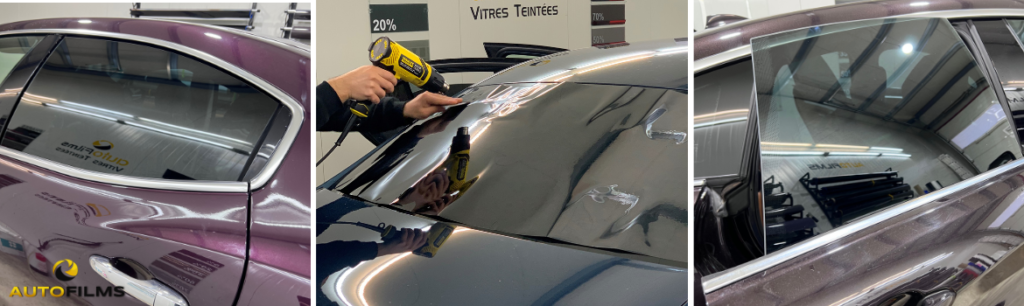
Automotive window tinting is not a mere adhesion process; it requires precision in every aspect. From navigating the curvature of the glass to millimeter-perfect cutting around edges and corners, achieving flawless results demands expertise. AutoFilms excels in delivering outcomes that go beyond perfection, satisfying even the most discerning clients.
Rigorous Testing for Quality Assurance
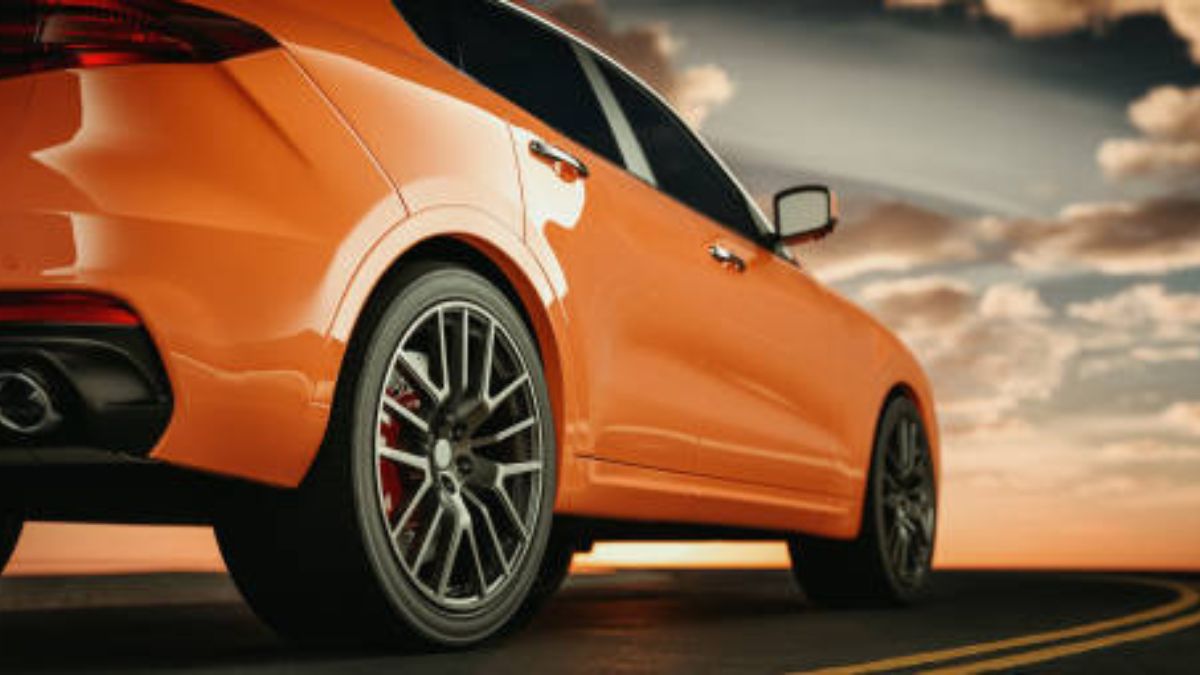
The foundation of successful window tinting lies in the quality of the film. AutoFilms ensures impeccable results by subjecting its suppliers to rigorous testing. Fundamental elements such as polyester and adhesive undergo thorough analysis, guaranteeing a level of quality that meets and exceeds customer expectations. more Vitres Teintées Pour Voitures


Frequently Asked Questions
Bubbles in Window Films
One common concern with window films is the appearance of bubbles. This phenomenon is often linked to the installation method. Water, used to activate the adhesive and position the film, may leave residual particles between the glass and the film, causing small bubbles. However, these bubbles typically disappear within days as water evaporates, a process accelerated by exposure to sunlight.
Differences from Factory Tinted Windows or Paper Tints
Vehicles with factory-tinted windows, utilizing processes like “deep immersion,” may have a dark color. Still, they lack the heat and UV protection provided by a polyester film applied inside the vehicle. AutoFilms recommends enhancing factory-tinted windows with additional film to achieve superior results.
Can Tint be Removed?
Yes, the tint film can be removed at any time after installation. AutoFilms employs artisanal techniques to ensure proper and effective removal, offering flexibility to clients.
Installation Duration
The installation process typically takes 1 to 3 hours, depending on vehicle size, window accessibility, shape, and quantity. AutoFilms prioritizes efficiency without compromising the precision required for a flawless finish.
Tinted Windows with a “L” Plate
While there is no law explicitly prohibiting tinted windows and displaying an “L” plate, it is advisable to keep the “L” visible. Ensuring visibility helps avoid potential issues if someone questions the legality of tinted windows on the purchased vehicle.
Interior vs. Exterior Tint Market
Automotive window tinting involves applying polyester film inside the vehicle, offering UV protection and heat reduction. Understanding the distinction between interior and exterior applications is crucial for customers seeking optimal results.
Tinted Windows and Vehicle Inspections
As tinted windows become commonplace, there are specific rules to follow, especially during vehicle inspections.
Prohibition of Tinting Front Windows and Windshield
Tinting of front windows and the windshield is strictly prohibited to maintain visibility and safety standards.
Opacity Limits
Tinted window films must not be 100% opaque, ensuring transparency is maintained for safety reasons.
Conclusion
Automotive window tinting is a blend of artistry and technical expertise. AutoFilms stands at the forefront of delivering impeccable results, and this article has provided insights into precision installation, addressed common questions, and highlighted the regulatory aspects of tinted windows during vehicle inspections. As the industry evolves, understanding the intricacies of window tinting becomes crucial for both providers and consumers alike. CONTACTEZ-NOUS