Dizziness, vertigo, and balance issues can significantly affect daily life, making even simple tasks like walking or standing challenging. These problems often stem from dysfunction in the vestibular system, which is responsible for maintaining balance and spatial orientation. Vestibular physiotherapy has emerged as a highly effective solution for individuals suffering from these conditions, offering targeted rehabilitation to improve stability, coordination, and overall quality of life.
What is Vestibular Physiotherapy?
Vestibular Physiotherapy Singapore is a specialized form of physiotherapy that focuses on diagnosing and treating disorders related to the vestibular system. This system, located in the inner ear, sends signals to the brain about motion, head position, and spatial orientation. When the system is impaired, it can result in dizziness, vertigo, imbalance, or nausea.


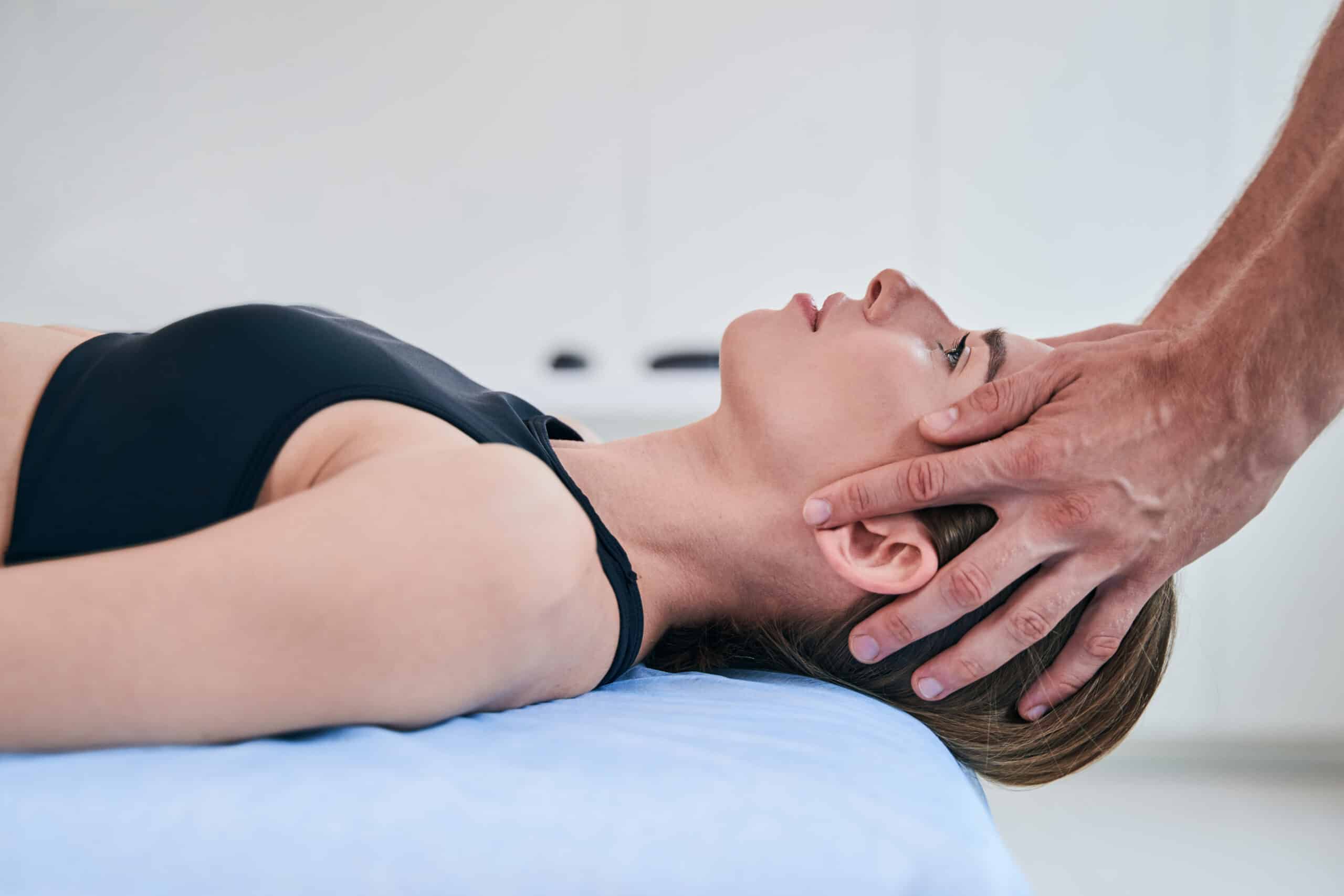
A vestibular physiotherapist evaluates the patient’s symptoms, performs balance and coordination assessments, and develops a personalized rehabilitation plan. The goal is to retrain the brain and vestibular system to compensate for dysfunction, restore balance, and reduce symptoms effectively.
Common Conditions Treated by Vestibular Physiotherapy
Vestibular physiotherapy addresses a variety of conditions that impact balance and spatial awareness. Some of the most common include:
- Benign Paroxysmal Positional Vertigo (BPPV): Sudden dizziness caused by displaced crystals in the inner ear.
- Vestibular Neuritis or Labyrinthitis: Infections that inflame the inner ear and affect balance.
- Meniere’s Disease: A condition characterized by episodes of vertigo, hearing loss, and tinnitus.
- Post-Concussion Symptoms: Balance and dizziness issues following a head injury.
- Age-Related Balance Disorders: Declining vestibular function that increases fall risk in older adults.
- Post-Surgical Vestibular Dysfunction: Imbalance following procedures affecting the ear or brain.
Identifying the exact cause of vestibular dysfunction is crucial, as treatment is highly individualized to ensure effective recovery.
Benefits of Vestibular Physiotherapy
Engaging in vestibular physiotherapy provides several benefits that extend beyond symptom relief.
1. Improved Balance and Coordination
Exercises and techniques in vestibular rehabilitation retrain the brain to interpret signals from the inner ear correctly, enhancing balance and spatial orientation.
2. Reduction in Dizziness and Vertigo
Targeted exercises, positional maneuvers, and habituation techniques help reduce episodes of dizziness and vertigo, allowing patients to perform daily tasks confidently.
3. Enhanced Functional Mobility
By improving stability and coordination, patients can walk, climb stairs, and engage in physical activities safely, reducing the risk of falls and injury.
4. Faster Recovery After Injury
Individuals recovering from concussions, head injuries, or vestibular disorders benefit from faster rehabilitation when guided by a trained vestibular physiotherapist.
5. Increased Confidence and Independence
Overcoming dizziness and imbalance fosters independence, reduces anxiety related to movement, and improves overall quality of life.
Techniques Used in Vestibular Physiotherapy
Vestibular physiotherapists employ various evidence-based techniques to address balance and dizziness issues:
- Canalith Repositioning Maneuvers: Specialized movements to reposition displaced crystals in the inner ear, particularly for BPPV.
- Balance and Gait Training: Exercises that challenge and improve stability, coordination, and walking patterns.
- Habituation Exercises: Repeated exposure to specific movements to reduce sensitivity and dizziness triggers.
- Vestibular-Ocular Reflex (VOR) Training: Exercises to improve eye movement coordination and gaze stability during head movements.
- Strength and Conditioning: Targeted exercises to enhance core stability and overall physical fitness, supporting balance.
These techniques are carefully selected based on the patient’s diagnosis, severity of symptoms, and daily functional requirements.
When to Seek Vestibular Physiotherapy
Early intervention often leads to better outcomes. Individuals should consider vestibular physiotherapy if they experience:
- Persistent dizziness or vertigo.
- Unsteadiness or frequent loss of balance.
- Difficulty performing everyday activities due to imbalance.
- Falls or near-falls caused by impaired vestibular function.
- Persistent nausea or visual disturbances related to movement.
Prompt assessment and rehabilitation can prevent worsening of symptoms, reduce fall risk, and improve long-term function.
Maximizing the Benefits of Vestibular Physiotherapy
To achieve optimal results from vestibular rehabilitation, patients should:
- Follow Prescribed Exercises: Consistently perform exercises recommended by the physiotherapist.
- Monitor Symptoms: Keep a diary of dizziness episodes, triggers, and improvements to guide treatment adjustments.
- Maintain Safe Environments: Ensure home and work areas are free from hazards to prevent falls.
- Stay Active: Gentle movement complements rehabilitation and supports recovery.
- Communicate Progress: Provide regular feedback to the physiotherapist for personalized adjustments.
Conclusion
Vestibular physiotherapy offers an effective, evidence-based approach to managing dizziness, vertigo, and balance disorders. By addressing the underlying dysfunction of the vestibular system and retraining the brain to respond appropriately, patients experience improved stability, reduced symptoms, and enhanced quality of life.
Accessing specialized Vestibular Physiotherapy Singapore ensures personalized care, targeted rehabilitation, and professional guidance throughout the recovery process. With commitment, early intervention, and a structured rehabilitation program, individuals can regain balance, confidence, and independence while minimizing the risk of falls and injury.
For those experiencing vestibular disorders or age-related balance issues, vestibular physiotherapy provides a path to improved mobility, enhanced daily function, and a safer, more active lifestyle.