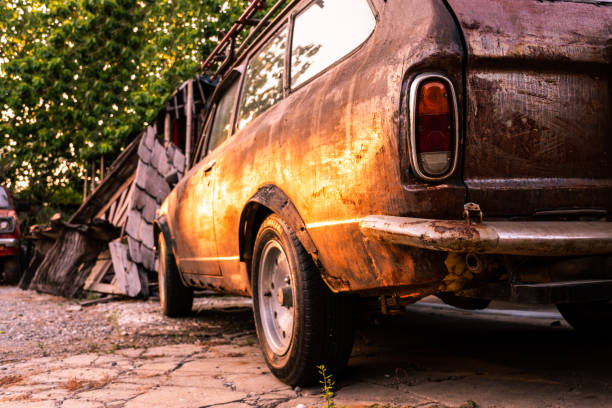
In neighborhoods across the country, it’s common to spot vehicles that clearly have not moved in months or even years. Flat tires, faded paint, dust-covered windows, and growing rust are often signs that a once-functional car has slowly become forgotten.
While it may seem unusual to leave a vehicle sitting unused for so long, there are actually many reasons why owners hold onto cars long after they stop driving them.


Mechanical Problems Often Start the Process
For many vehicles, the situation begins with a repair that feels too expensive or inconvenient at the time.
Common issues include:
- Engine failure
- Transmission damage
- Electrical problems
- Failed inspections
- Suspension issues
Instead of immediately repairing or selling the vehicle, owners sometimes decide to leave it parked temporarily while they consider their options.
Over time, temporary delays can quietly turn into years of inactivity.
Emotional Attachment Makes Letting Go Difficult
Cars are often connected to memories and major life events. A vehicle may remind someone of family trips, a first job, college years, or even a loved one.
Because of this emotional connection, some owners struggle to part with vehicles even when they are no longer practical to repair.
Classic cars and unfinished restoration projects are especially common examples. Many owners genuinely plan to work on them eventually, even if years pass without progress.
Vehicles Deteriorate Quickly When Left Unused
One surprising reality is that parked vehicles often deteriorate faster than many people expect.
Long-term inactivity can lead to:
- Dead batteries
- Tire dry rot
- Fluid leaks
- Fuel system contamination
- Brake corrosion
- Rust buildup
Vehicles stored outdoors are especially vulnerable to weather exposure and moisture damage.
A car that originally needed only minor repairs may become far more difficult and expensive to restore after sitting unused for years.
Registration and Insurance Issues Add Up
Keeping an unused vehicle can still involve ongoing expenses.
Owners may continue dealing with:
- Registration renewals
- Insurance payments
- Property restrictions
- HOA complaints
- Parking limitations
Some cities also issue warnings or fines for abandoned or non-operational vehicles left visible for extended periods.
As costs continue accumulating, the financial burden of keeping the vehicle may eventually outweigh its remaining value.
Parts Availability Becomes a Bigger Problem Over Time
As older vehicles age, replacement parts often become harder to find.
Manufacturers eventually discontinue many components, forcing owners to search for used or aftermarket parts instead.
Common shortages may involve:
- Electronic modules
- Interior trim
- Body panels
- Suspension parts
- Engine components
This can make restoring long-unused vehicles increasingly difficult and expensive.
Family Situations Sometimes Delay Decisions
In some cases, unused vehicles remain parked because ownership situations become complicated.
Inherited cars, missing titles, or unresolved paperwork can all delay decisions about selling or repairing a vehicle.
Families may postpone dealing with these situations simply because the process feels overwhelming or emotionally difficult.
Meanwhile, the vehicle continues deteriorating over time.
Modern Vehicles Are Expensive to Repair
Today’s cars rely heavily on advanced electronics and computerized systems. While modern technology improves safety and convenience, it also increases repair costs.
Older vehicles with major electronic failures may require expensive diagnostics and specialized labor.
Owners facing large repair estimates sometimes decide it no longer makes financial sense to continue investing in aging vehicles with declining reliability.
At that stage, some begin exploring alternatives such as Cash For Junk Cars rather than allowing vehicles to continue sitting unused indefinitely.
Why Some Parked Cars Still Have Value
Even vehicles that no longer run may still contain valuable materials and reusable parts.
Components such as:
- Catalytic converters
- Batteries
- Wheels
- Engines
- Transmissions
- Electronic modules
can often retain recycling or salvage value despite the vehicle’s condition.
This is one reason many unused vehicles are worth more than owners initially assume.
Final Thoughts
Vehicles often remain parked for years because of emotional attachment, repair costs, paperwork complications, or simple procrastination. Unfortunately, inactivity usually causes condition to worsen steadily over time.
Understanding why so many cars become long-term driveway fixtures highlights the financial and practical challenges of vehicle ownership as cars continue aging beyond their useful lifespan.