Menopause is a natural life transition marked by the end of a woman’s reproductive years, usually around the age of 45–55. And while it’s a universal experience for women, it’s far from a one-size-fits-all process. One of the most significant concerns women have relates to body changes during menopause. Some of these changes are subtle; others can feel quite dramatic. Understanding them equips us to manage them optimally.
In this article, we will explore:


- The varied physical changes women might experience during menopause, including hormonal fluctuations that affect body composition and metabolism.
- Lifestyle modifications and medical treatments that can ease the transition and alleviate the symptoms associated with menopausal body changes.
- Emotional support and self-care techniques that are essential for mental well-being and acceptance of the body’s natural changes during this phase.
Understanding Perimenopause
Before diving into how to manage these body changes, it’s crucial to understand perimenopause. This transitional phase occurs before actual menopause, typically starting in a woman’s 40s, but can begin as early as the late 30s for some.
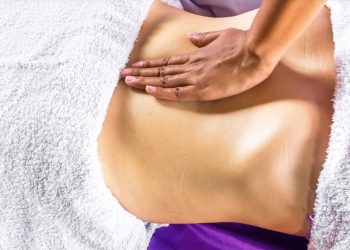
A hallmark of perimenopause is fluctuating hormone levels, and one physical sign you may notice is the emergence of a perimenopause belly bump. That little extra fat around the midsection, bedtime, quite typically, is not necessarily about weight gain but more about how your body fat is distributed. Ebbing levels of estrogen can cause fat to relocate to the abdomen, which was previously stored in the hips or thighs.
Physical Changes during Menopause
As we enter menopause, our bodies may experience a range of physical changes. Some are common, while others vary from person to person. Here are some of the most typical ones:
- Weight gain and redistribution: As mentioned earlier, hormonal fluctuations can cause weight gain, particularly around the midsection. This weight gain is not just about appearance but also increases the risk of chronic diseases such as diabetes and heart disease.
- Bone density loss: Lower levels of estrogen can lead to bone density loss, making us more susceptible to osteoporosis. It is vital to maintain a healthy diet rich in calcium and vitamin D and engage in weight-bearing exercises to prevent this.
- Muscle mass decline: As we age, our muscle mass naturally decreases, and menopause can accelerate this process. This loss of muscle mass may lead to a decrease in strength and increased risk of injury.
- Skin changes: Lower estrogen levels also affect the production of collagen, leading to drier and thinner skin. Wrinkles and age spots may also start appearing.
- Hair changes: Hormonal fluctuations can also affect hair growth and thickness. Many women experience thinning hair or hair loss during menopause.
- Mood swings: Fluctuating hormone levels can lead to mood swings, irritability, and anxiety. These emotional changes may be due to the physical symptoms of menopause or other life stressors.
Coping with Physical ChangesAdopt a Balanced Diet
Menopause doesn’t mean you’re automatically destined for a larger waistline. Beneficial dietary habits can go a long way.
- Increased Fiber Intake: Add fruits, vegetables, and whole grains to your daily meals.
- Healthy Fats: Include nuts, fish, and olive oil, which have been known to satisfy hunger and keep you feeling full for longer.
- Hydration: Drink adequate water to maintain metabolic health and manage weight.
Regular Physical Activity
Exercise is critical at this juncture in life. It helps manage weight, boosts mood, and improves sleep.
- Aerobic Activities: Brisk walking, bicycling, and even household chores can help.
- Strength Training: It promotes bone health and muscle mass, helping to prevent your metabolism from slowing down.
- Flexibility Exercises: It is key to maintaining mobility at any age. Yoga and Pilates are beneficial.
Coping with Emotional Changes
Menopause can stir up not only physical but also emotional changes. It’s important to provide for your emotional well-being during this time.
Seeking Support and Community
Navigating the emotional rollercoaster of menopause can be challenging, but you are not alone. It’s important to join the conversation with other women going through similar challenges. Support groups, whether online or in-person, can provide immense relief and understanding. Sharing experiences and coping strategies not only helps normalize what you’re going through but also introduces you to new perspectives and solutions that may resonate with your own journey.
Engage in Self-Care Techniques
Taking care of yourself is crucial for your mental well-being during menopause. Here are a few simple self-care techniques to incorporate into your daily routine:
- Meditation and Mindfulness: These practices can help you manage mood swings, anxiety, and stress.
- Journaling: Writing down your thoughts and feelings can provide a therapeutic outlet and help process emotions.
- Relaxation Techniques: Deep breathing, progressive muscle relaxation, and aromatherapy can help promote relaxation and reduce stress levels.
Professional Health Consulting
If self-help strategies aren’t enough to manage the emotional highs and lows of menopause, don’t hesitate to seek professional help. Here’s how professional intervention can be advantageous:
Counseling and Therapy:
- Cognitive Behavioral Therapy (CBT): This type of therapy helps in identifying and changing negative thought patterns that may contribute to mood swings.
- Talk Therapy: Regular sessions with a therapist can provide a space to explore feelings and develop strategies to cope with emotional distress.
Medical Treatments:
- Hormone Replacement Therapy (HRT): Under medical supervision, HRT can help in stabilizing hormone levels and alleviate many symptoms of menopause, including mood changes.
- Antidepressants: In some cases, doctors may prescribe antidepressants to help manage menopause-related depression or anxiety.
It is important to have a detailed discussion with your healthcare provider to understand the benefits and risks associated with different treatment options.
Prioritizing Sleep Quality
Sleep disturbances are common during menopause, and inadequate sleep can exacerbate mood swings and other emotional issues. Here’s how to improve sleep:
- Establish a Regular Sleep Routine: Go to bed and wake up at the same time every day to regulate your body clock.
- Create a Sleep-Inducing Environment: Ensure your bedroom is cool, quiet, and dark. Consider blackout curtains or eye masks.
- Limit Stimulants: Avoid caffeine and electronics before bedtime, as they can interfere with the ability to fall asleep.
By prioritizing sleep, you can improve your emotional well-being and overall health during menopause.
Remember, it’s crucial to tailor your approach to your individual needs and situation. Each woman’s menopause experience is unique, and it’s important to find what works best for you.
Embrace the Change
Menopause is a natural phase marking the shift into a new period of life. It is not a disease or a malaise that needs to be rectified. By understanding the body changes during menopause and adjusting our lifestyles toward nutritional diet, physical activity, and emotional balance, we can navigate this phase effectively. The power of collective wisdom can’t be overstated, so it’s essential to join the conversation about menopause, increasing awareness, sharing experiences, and breaking down the walls of misconceptions.
Remember, your menopause journey is uniquely yours. Embrace it and manage it with confidence. Your body is transitioning, but it is still very much yours. You are more than capable of managing and flourishing during this unique life phase.