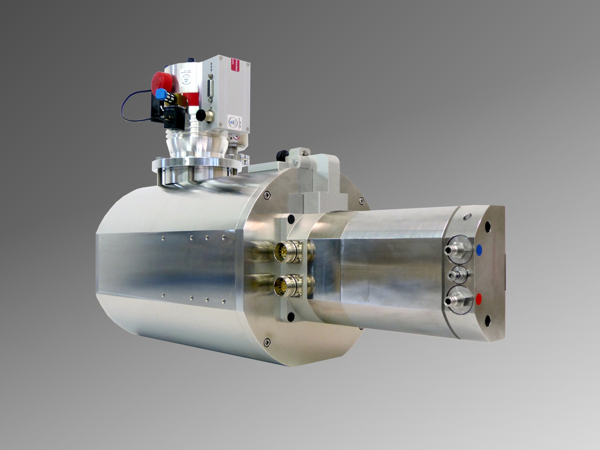
In the fast-paced world of electronics manufacturing, ensuring precision, reliability, and efficiency is non-negotiable. With increasing component complexity and shrinking sizes, traditional inspection methods often fall short. This is where microfocus X ray sources come into play, providing unparalleled accuracy and control in inspecting electronic components, printed circuit boards (PCBs), and assemblies.
What is a Microfocus X‑Ray Source?
A microfocus X ray source is an advanced imaging technology that produces highly focused X‑ray beams. Unlike conventional X‑ray sources, which may produce scattered radiation and lower resolution, microfocus X‑ray sources concentrate the beam to a tiny focal spot. This precision enables detailed inspection of even the smallest components without causing damage.


These systems are widely used across electronics, aerospace, automotive, and medical industries, providing clear and high-resolution imaging for quality assurance. Their ability to penetrate dense materials while maintaining sharp imaging is particularly critical in modern electronics manufacturing.
Advantages for Electronics and Component Inspection
In today’s highly competitive electronics industry, achieving flawless inspection is critical for both product quality and customer trust. Utilizing advanced imaging solutions like microfocus X‑ray sources ensures manufacturers stay ahead by detecting issues early and minimizing costly errors.
1. Enhanced Detection of Defects
Microfocus X ray sources allow manufacturers to detect defects that are otherwise invisible, such as solder joint cracks, voids, or misaligned components. This capability is essential for high-reliability applications like aerospace or medical electronics, where even minor defects can result in critical failures.
2. Non-Destructive Testing
Unlike destructive testing methods that may ruin valuable prototypes or components, microfocus X‑ray inspection is entirely non-destructive. This means manufacturers can inspect components without affecting their functionality, reducing waste and improving overall efficiency.
3. High Precision Imaging
The concentrated beam of a microfocus X‑ray source enables high-resolution imaging down to micrometer levels. This precision is essential for inspecting multi-layered PCBs, fine-pitch components, and complex assemblies. It ensures that every defect, from tiny solder voids to hidden fractures, is detected before the product reaches the market.
4. Streamlined Manufacturing Processes
By integrating microfocus X‑ray inspection into the production line, manufacturers can identify defects in real-time, preventing faulty batches from progressing further. This proactive approach not only saves time but also reduces rework costs and enhances overall throughput.
5. Comprehensive Analysis
Modern microfocus X ray source are often paired with advanced software for 3D imaging and component analysis. This allows engineers to perform volumetric inspection, measure internal features, and generate detailed reports for quality assurance and regulatory compliance.
Overall, these advantages empower manufacturers to maintain consistent quality, reduce operational risks, and accelerate production timelines while ensuring superior electronic component reliability
Choosing the Right X‑Ray Source Manufacturers
Selecting the right X ray source manufacturers is crucial for ensuring reliability, performance, and long-term support. Trusted manufacturers provide customizable solutions, high-quality components, and robust after-sales service. They offer products with varying focal spot sizes, power ratings, and imaging capabilities tailored to the specific requirements of electronics inspection.
When evaluating suppliers, it’s essential to consider:
- Product versatility: Can the X‑ray source handle different PCB sizes and component types?
- Reliability: Is the system designed for continuous operation in a high-throughput environment?
- Support and maintenance: Are technical support, training, and spare parts readily available?
By partnering with experienced X-ray source manufacturers, companies can ensure consistent quality and minimize downtime, enhancing the overall productivity of their manufacturing operations.
The Role of High Voltage Power Supply Manufacturers
A high-quality high voltage power supply is at the heart of every microfocus X ray source system. These power supplies deliver the stable, controlled voltage necessary to generate precise X-ray beams. Variations or instability in voltage can lead to image distortion, reduced resolution, or even equipment damage.
Reliable high voltage power supply manufacturers provide systems designed for precision, safety, and longevity. They also offer features like adjustable voltage output, overcurrent protection, and compact form factors, enabling seamless integration into existing production lines. Selecting the right power supply manufacturer is critical to maximizing the performance and lifespan of microfocus X‑ray systems.
Applications in Electronics Inspection
1. PCB and Component Inspection
Microfocus X‑ray sources excel at inspecting printed circuit boards, detecting soldering defects, missing components, or misaligned parts. They are particularly valuable for multi-layered boards where visual inspection is insufficient.
2. Semiconductor Analysis
In semiconductor manufacturing, where component sizes are microscopic, X‑ray inspection ensures that chips are correctly fabricated and free of internal defects. Microfocus systems provide the necessary resolution to analyze internal structures without damaging the chips.
3. Connector and Solder Joint Verification
High-density connectors and tiny solder joints can easily be missed using traditional inspection techniques. Microfocus X‑ray sources allow precise inspection, ensuring reliable electrical connections and preventing field failures.
4. Quality Assurance and Compliance
For electronics manufacturers exporting products internationally, regulatory compliance and quality certification are mandatory. X‑ray inspection helps meet these standards by providing detailed documentation and verifiable results.
Why Integration Matters
Integrating microfocus X‑ray systems into the manufacturing workflow offers multiple benefits:
- Automated inspection: Reduces human error and improves repeatability.
- Data-driven decisions: Real-time imaging allows engineers to identify trends and address recurring defects.
- Cost savings: Early detection of defects reduces scrap, rework, and warranty claims.
With the growing complexity of electronic assemblies, integrating X‑ray inspection is no longer optional; it is a necessity for staying competitive in the market.
Future Trends in Microfocus X‑Ray Technology
Advancements in microfocus X‑ray technology are continually pushing the boundaries of electronics inspection:
- Higher resolution imaging: Capable of detecting even smaller defects in advanced semiconductors.
- Faster scanning speeds: Reducing cycle time while maintaining precision.
- 3D inspection and tomography: Providing volumetric analysis for complex assemblies.
- Compact and modular systems: Easier integration into automated production lines.
These innovations promise improved efficiency, reliability, and accuracy for manufacturers worldwide.
Conclusion
Microfocus X‑ray sources are transforming the electronics industry by offering non-destructive, high-precision inspection capabilities. Partnering with experienced X-ray source manufacturers and high voltage power supply manufacturers ensures optimal performance, reliability, and long-term support. These systems help manufacturers reduce defects, streamline processes, and meet stringent quality standards, ultimately boosting productivity and customer satisfaction.
For those seeking a trusted partner in advanced X-ray solutions, VJ X-Ray provides expertly engineered microfocus X ray source and high-voltage generators. Their global experience, customizable solutions, and commitment to quality make them an ideal choice for electronics inspection and component analysis, ensuring precise, reliable, and efficient inspection for your operations.