Spring is finally here! The sun is out, flowers are blooming, and it’s a great time to check on your roof. After a long winter of cold weather, wind, and maybe even snow, your roof could use a little love. A quick check-up or help from a trusted roofing contractor company can go a long way in keeping your home safe and dry.
Your roof is one of the most important parts of your house. It protects everything underneath it, your family, your belongings, and the structure of your home. That’s why spring is the perfect time to make sure your roof is in good shape before summer storms arrive.

Here’s a simple 5-point checklist to help you care for your roof this season.
1. Look for Visible Damage
Start by walking around your home and looking up at your roof. You don’t have to climb a ladder, just use your eyes or a pair of binoculars to spot anything that looks off. Watch out for:
- Broken or missing shingles
- Shingles that look cracked, curled, or bent
- Dark patches or areas where shingles are worn down
- Sagging spots or places where the roofline looks uneven
- Signs of moss, algae, or mold growing on shingles
These issues might seem small now, but they can turn into major leaks or water damage if ignored. If you’re unsure what you’re looking at, don’t worry. A roofing contractor company can inspect the roof more closely and safely.
2. Clean Out Gutters and Downspouts
Your gutters are like your roof’s drainage system. They help move rainwater and melting snow away from your home. But during fall and winter, leaves, sticks, and dirt can build up in the gutters and block the flow of water.
Blocked gutters can lead to:
- Water is backing up onto the roof
- Leaks inside your home
- Damage to the siding and the foundation
Use gloves and a small scoop to remove debris from gutters. Then rinse them out with a hose to make sure water flows through the downspouts. If you notice loose or sagging gutter sections, they may need to be tightened or replaced.
3. Check for Leaks Indoors
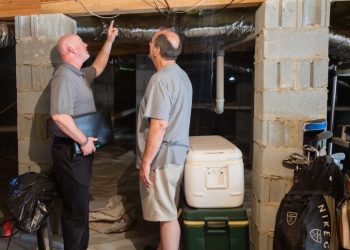
Sometimes the signs of a roofing problem show up inside your home first. Go up into your attic or check ceilings and walls for:
- Water stains or yellowish spots
- Mold or mildew smells
- Peeling paint or bubbling plaster
- Wet or sagging insulation
These signs can mean that water is seeping in through your roof. Even small leaks can lead to major issues like mold growth, wood rot, and higher energy bills. Catching leaks early can save you money and stress.
4. Trim Nearby Tree Branches
Trees add beauty and shade to your yard, but branches that hang over your roof can be a problem. During storms, strong winds can cause branches to break and fall onto your roof. Even small twigs can scratch your shingles or clog your gutters.
Trimming back overhanging branches:
- Keeps your roof safe from damage
- Reduces leaves and debris buildup
- Helps more sunlight reach the roof, keeping it dry
If the trees are tall or close to power lines, it’s best to call a tree trimming professional for help.
5. Schedule a Professional Roof Inspection
Even if your roof looks fine, a trained roofing contractor company can find small issues that homeowners might miss. A spring roof inspection can catch:
- Loose flashing around chimneys or vents
- Tiny leaks are not visible from the ground
- Early signs of wear on shingles or underlayment
Professional inspections also help keep your roof warranty valid and can give you peace of mind before summer storms or heavy rains roll in.
Final Thoughts
Spring is a season of fresh starts, and it’s a great time to show your roof a little care. With this simple 5-point checklist, you can help your roof stay strong, safe, and ready to handle whatever the weather brings. Whether you do it yourself or call in the pros, giving your roof some attention now can help avoid costly repairs later.
Your home depends on your roof; take care of it, and it will take care of you.