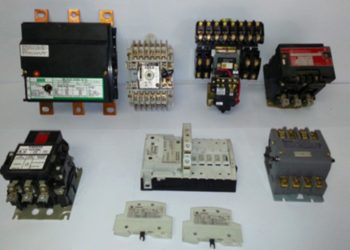
Electrical fit-outs are crucial components of any building project, whether it’s a commercial space, residential property, or industrial facility. From ensuring safety and compliance to optimising functionality and efficiency, electrical fit-outs play a pivotal role in the overall success and functionality of a building. In this article, we’ll delve into the essentials of electrical fit-outs, covering everything from planning and design to installation and maintenance.
1. Planning and Design:
A successful electrical fit out begins with meticulous planning and design. It’s essential to work closely with architects, engineers, and electrical contractors to develop a comprehensive plan that meets the specific needs and requirements of the project. This includes determining the placement of electrical outlets, lighting fixtures, switches, and other essential components to optimise functionality and aesthetics.


Considerations such as load calculations, energy efficiency, and compliance with building codes and regulations must be taken into account during the planning and design phase. Collaboration between all stakeholders ensures that the electrical fit out aligns with the overall vision and objectives of the project while adhering to safety standards and budget constraints.
2. Electrical Wiring and Distribution:
Once the planning and design phases are complete, the next step is the installation of electrical wiring and distribution systems. This involves running wires through walls, ceilings, and floors to connect electrical outlets, switches, and fixtures to the main electrical panel. Proper wiring techniques, such as bundling and securing cables, are essential to prevent electrical hazards and ensure reliability.
Distribution boards or electrical panels are installed to distribute electricity to different circuits throughout the building. These panels must be sized appropriately to accommodate the electrical load and equipped with safety features such as circuit breakers or fuses to protect against overloads and short circuits.
3. Lighting Design and Installation:
Lighting design is an integral part of any electrical fit-out, as it not only provides illumination but also contributes to the ambiance and functionality of a space. Lighting fixtures must be strategically placed to ensure adequate brightness and uniformity while minimising glare and shadows.
Various types of lighting fixtures, including recessed lights, pendant lights, track lights, and LED panels, can be used to achieve different lighting effects and cater to specific needs. Energy-efficient lighting solutions, such as LED technology, are increasingly popular due to their long lifespan and lower energy consumption.
During installation, care must be taken to properly wire and secure lighting fixtures to prevent electrical hazards and ensure longevity. Dimmer switches, timers, and motion sensors can be incorporated to enhance energy efficiency and control lighting levels based on occupancy and daylight conditions.
4. Safety and Compliance:
Safety is paramount in electrical fit outs, and adherence to relevant regulations and standards is non-negotiable. Electrical work must be carried out by licensed and qualified professionals who are knowledgeable about local building codes and safety requirements.
Proper grounding and bonding techniques must be employed to prevent electric shocks and mitigate the risk of fire hazards. Electrical equipment and materials must be of high quality and certified for use in the intended application to ensure reliability and compliance.
Regular inspections and maintenance are essential to identify and address potential hazards or deficiencies promptly. This includes testing electrical systems, replacing worn-out components, and updating installations to meet evolving standards and regulations.
5. Integration with Building Systems:
In modern buildings, electrical fit-outs often need to integrate with other building systems such as HVAC, security, and automation. Coordination between electrical contractors and other trades is essential to ensure seamless integration and interoperability between different systems.
Smart technologies, such as building automation systems and IoT-enabled devices, are increasingly being incorporated into electrical fit-outs to enhance energy efficiency, comfort, and security. These systems allow for remote monitoring and control of electrical devices, optimising performance and reducing operational costs.
Conclusion:
Electrical fit-outs are complex undertakings that require careful planning, execution, and ongoing maintenance. By understanding the essentials of electrical fit-outs, stakeholders can ensure that projects are completed safely, efficiently, and in compliance with regulations. From planning and design to installation and integration, attention to detail and adherence to best practices are critical for achieving successful outcomes in electrical fit-outs.